






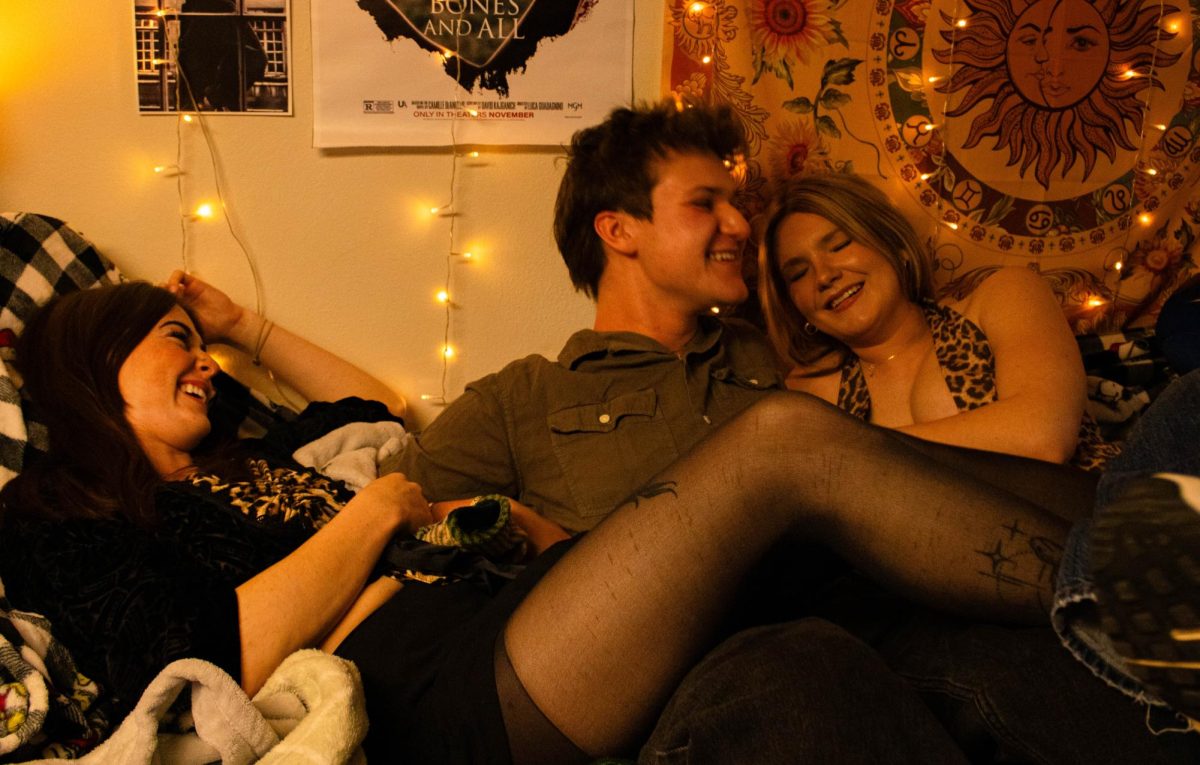
At several parties this semester, I noticed the same scene: someone pulls out a phone and opens the camera. Instantly, the night pauses. People gather to fix their outfits and hair. Someone says, “Wait, not yet.” Another adds, “Take it again.” The flash goes off a few times until someone is happy with the result.
For a minute, the music, the conversation and even the reason everyone shows up in the first place feel secondary to getting the photo right.
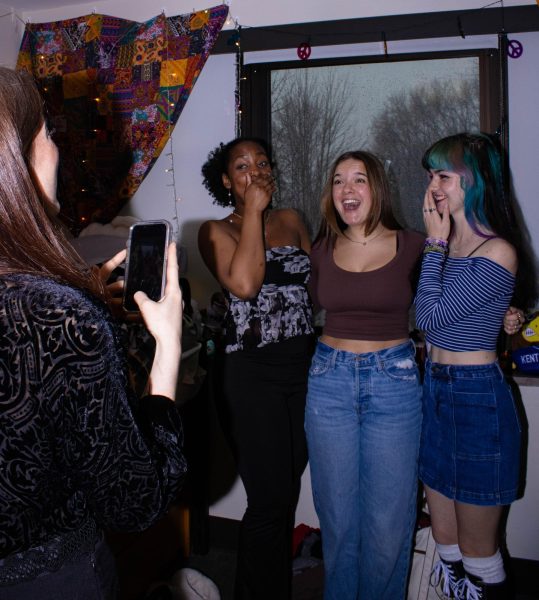
Later, those photos appeared on Instagram. The lighting is flattering. Everyone looks effortless. The caption makes the night seem easy.
College life looks nearly perfect online. Study sessions appear cozy, not stressful. Friend groups look instantly solid. Someone posts a sunset on the quad with a happy caption.
Even relationships are carefully staged. A photo of two hands across a table. A tagged location with someone sitting just out of frame. The classic “soft launch.”
But while that effortless image dominates online, the reality often feels very different.
Usually, it’s not so simple. Someone says, “Wait, do that again.” Another checks the lighting from across the table. The photo is retaken until it looks “natural.” Once posted, the moment feels effortless, though it requires effort.
There’s now a split between how college is actually lived and how it is curated online. While they overlap, the differences point to a bigger issue: the pressure to present an idealized college experience online can reshape how students actually experience it.
One is the highlight reel. The other is everything else.
The “Aesthetic” Study Session
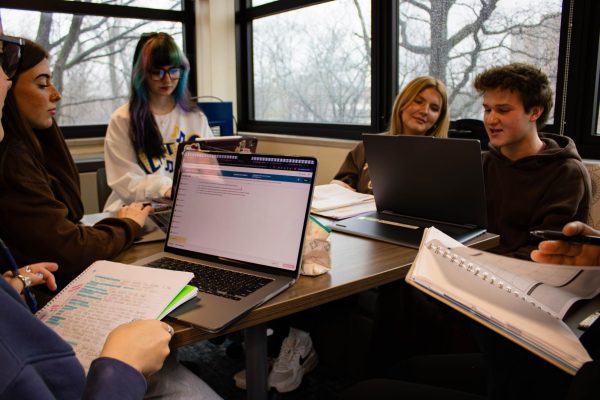
Online, studying looks peaceful. A laptop open in the library, an iced coffee next to a perfectly organized notebook and sunlight coming through the windows. It’s the kind of moment that ends up in a “day in my life” video.
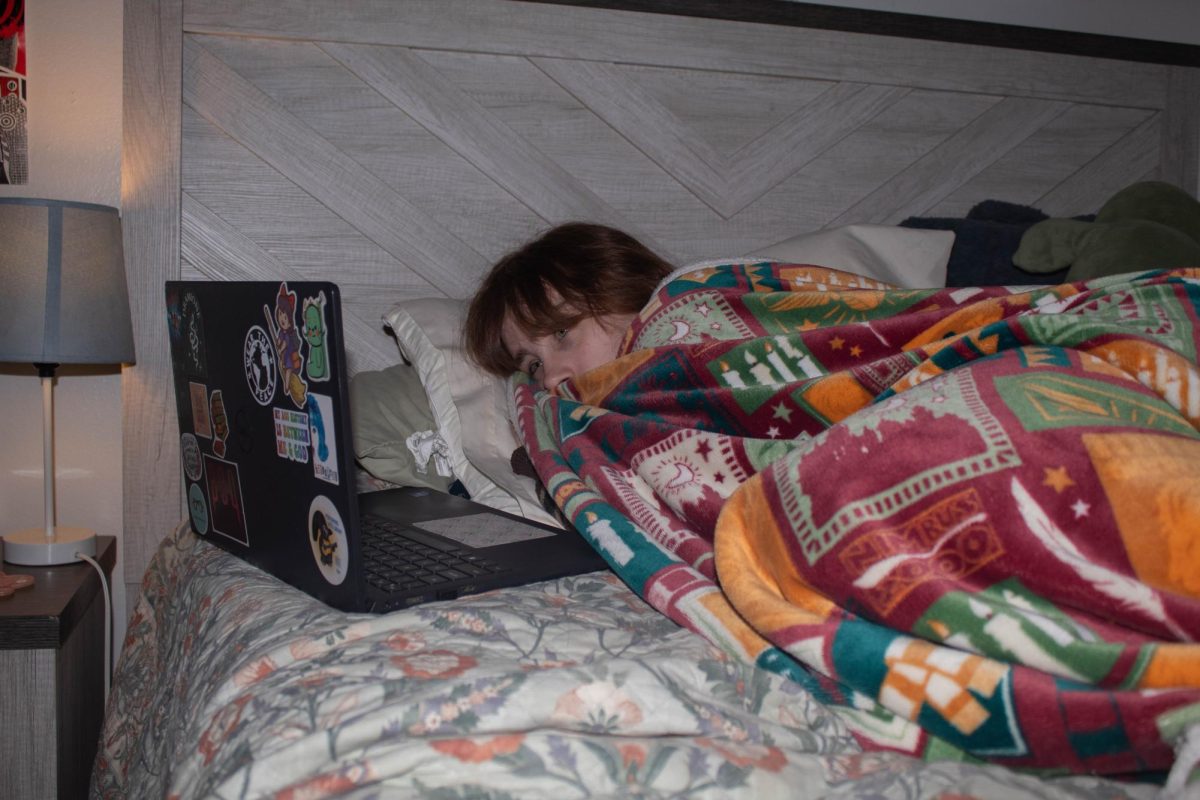
In reality, studying means rushing through reading before class or realizing a paper is due sooner than expected. Most assignments are finished quickly between commitments, not in a perfectly staged library setting.
Instant Friend Groups vs. Figuring It Out
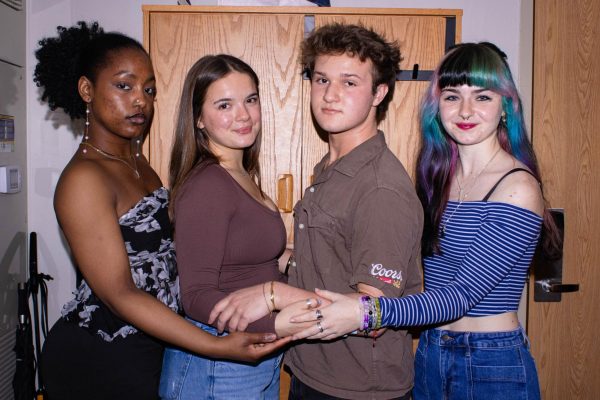
Social media can make it seem like everyone finds their people immediately. Within weeks of the semester starting, feeds are full of group photos from nights out, tailgates or trips downtown.
But friendships on campus usually develop more slowly than that.
They start with small, slightly awkward moments. This could be sitting next to someone in class, running into the same person at the dining hall or talking after a meeting. Over time, those moments turn into real friendships.
Eventually, it turns into the kind of friendship that ends up in a group photo.
Nonstop Social Life vs. A Normal Weekend
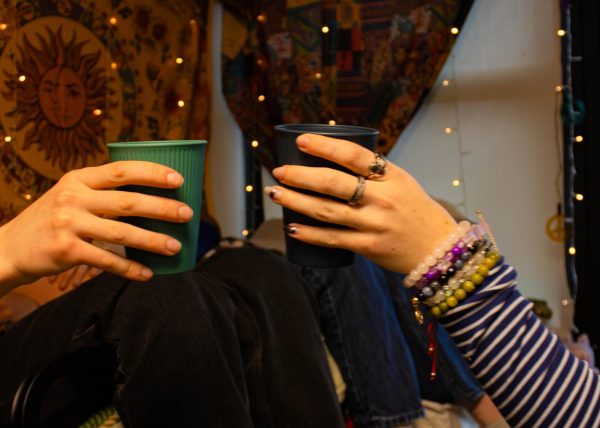 The traditional images of college suggest that something exciting is always happening. There’s always a party, always a plan, always somewhere to go on a Friday night.
Sometimes weekends are busy, but often they’re quieter. People stay in, watch movies, eat with friends or just unwind. The big nights out are real, but not the whole experience.
Those are the moments most likely to show up online.
The “Soft Launch” vs. Real Relationships
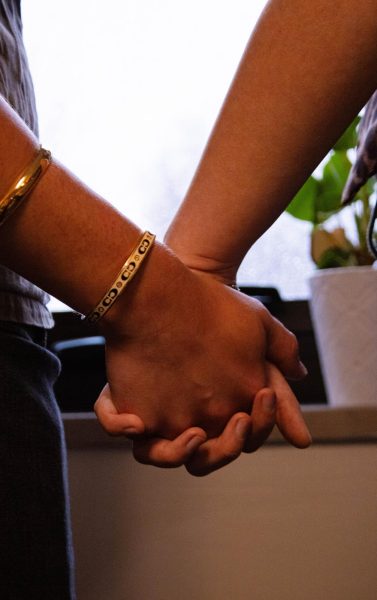
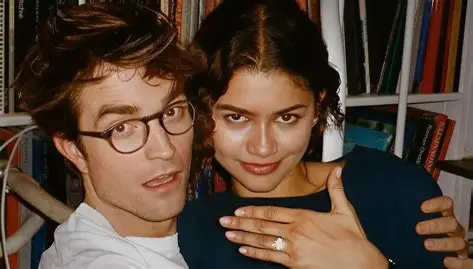
Relationships are now part of the curated college life online. Instead of direct announcements, the “soft launch” is typical: a hand across the table, two people reflected in a mirror, someone just out of frame.
Before, relationships weren’t necessarily private — they just unfolded in person. People noticed who you were sitting with at dinner, who you walked to class with or who you kept showing up with at parties.
Now, that shift happens online.
The soft launch doesn’t make a relationship public for the first time, but it controls how it’s introduced.
Something once understood naturally is now a subtle, curated reveal.
The Highlight Reel vs. Everyday College
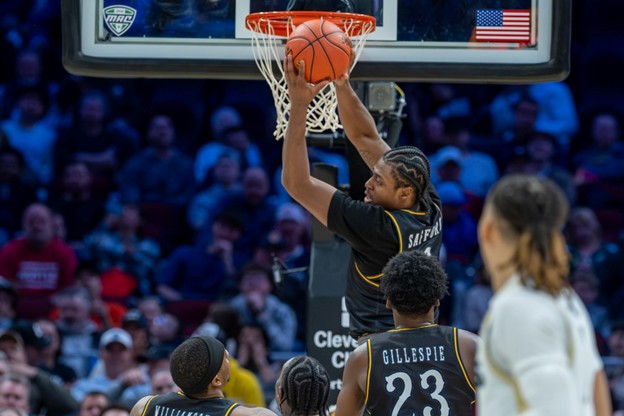
What’s online is usually the best: a fun night out, a walk across campus on a perfect day, a group photo with everyone looking happy.
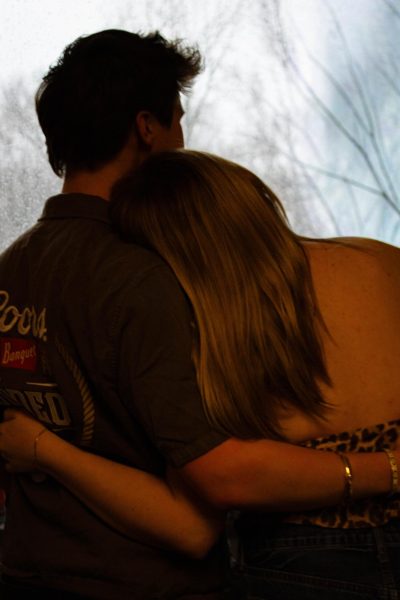
College has probably always been a little romanticized. The difference now is that students are documenting the experience while they’re still living it, shaping how it looks in real time.
When college is framed as effortless and exciting, anything less can feel like personal failure instead of a normal experience. A quiet weekend feels like missing out. Not finding friends right away feels like falling behind. Even good moments might seem incomplete if they don’t look as they “should” online.
It also pulls people out of the moment. Nights out become things to capture, and friendships become things to present. Instead of just experiencing college, there’s pressure to make it look like college.
But most of college exists in that space that doesn’t get posted. The in-between moments. The slower friendships. The nights that aren’t worth a picture but still matter.
The candid photo isn’t always candid anymore. Between curated posts and unseen moments lies the college most students live in.
Kat Thomas is a writer. Contact her at [email protected].