







Social media can be an easy trap to fall into. For college students like senior geology major Regan Fingal, it can become all-consuming. She opens Instagram to take a quick break before starting her homework and clicks on a post she feels is inspiring and interesting, like outdoor activities or art. After seeing more and more posts of people doing those things, she realizes she doesn’t have the time, money or motivation for those activities and begins to compare her life to those on the internet – even when she isn’t online.
This experience is nothing unique, though. It’s a phenomenon known as doomscrolling. According to Harvard Health, doomscrolling is “the habit of constantly scrolling online news headlines, which often blare bad news,” but it can include anything that makes someone feel negative emotions after spending a lot of consistent time on social media.
Scrolling and posting on social media is a normalized part of life, but Fingal says her father, who doesn’t use social media, seems much happier than the average person.
“He runs, hikes, bikes, rock climbs, reads and teaches himself piano,” Fingal says. “I always look up to him, and I know what’s holding me back from doing more hobbies and having more time is this addiction to my phone, yet I can’t ever make a significant change.”
According to the Greater Good Magazine, replacing doomscrolling with hobbies is an easy and effective way to spend less time on your phone. They also say, “Having an after-work hobby is linked to better well-being and may play a part in reducing work-related stress. Creative activities in particular are known to encourage a sense of personal fulfillment through developing new skills.”
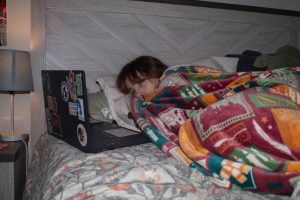
Senior fashion design major Sydney Beason has similar negative feelings regarding doomscrolling. She loses time to work on homework while she spends hours on Instagram and TikTok.
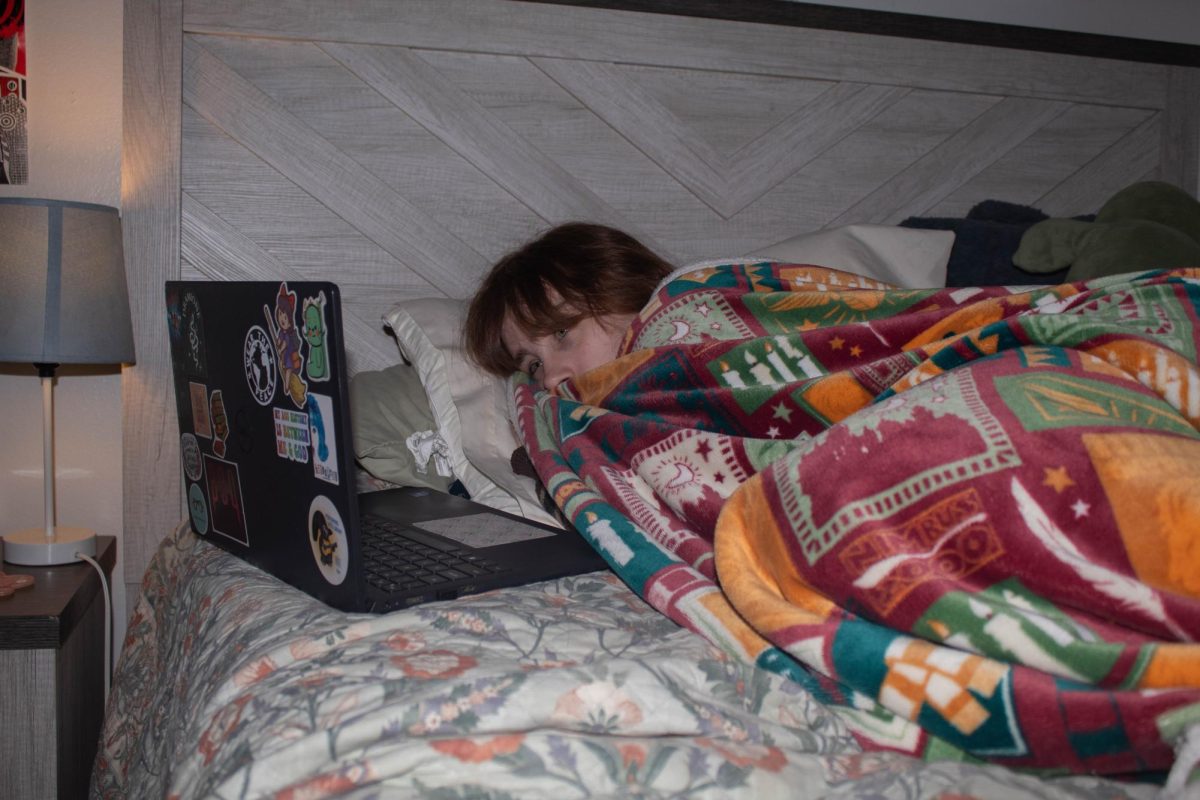
“When I find myself doomscrolling, I’m probably in bed not doing anything else. I’m bored and don’t have any plans, so I hop on my phone,” Beason says. “There are many times when social media makes me feel extremely low, especially when I see women who are gorgeous … I start comparing myself to them.”
Beason also says that social media has caused her to start comparing her relationships with others to the idealized versions she sees on the internet.
It’s important to remember that what you see on the internet isn’t always what it seems. Influencers and advertisers create posts that filter out reality and leave only the best parts for the viewer. News articles will sometimes have clickbait titles that are only there to get more readers.
Yale New Haven Health suggests that to stop doomscrolling, you should put strict time limits on your social media apps or set timers to remind yourself to put your phone away. Getting out from behind the screen allows you to engage in more meaningful activities. Picking up a new hobby, reading a book, talking to friends or even listening to music can make a big difference in reducing doomscrolling habits.
Natalie Holland is a writer.