










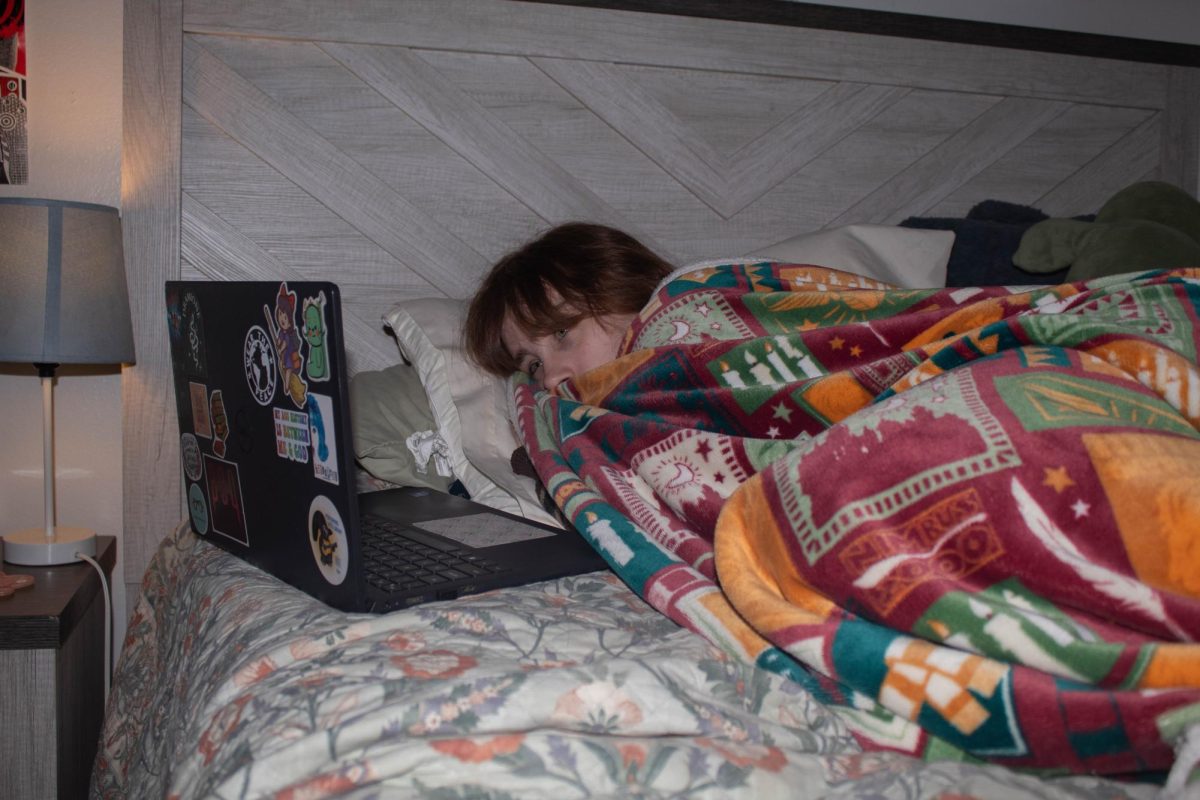
It starts small. I wake up on a Friday morning — the one day of the week that is not consumed by school or work. Logically, it should be the day I get my life together. My laundry bag sits untouched in the corner of my closet. My laptop has five assignments waiting to be started, all due Sunday night.
But the sun is too bright, the blankets are too warm, and getting up somehow takes more of an effort than it should. So I don’t.
At first, it’s harmless. I tell myself I’ll stay in bed for a few more minutes, just long enough to wake up fully. I check my phone: one video turns into five, then ten, then I’m not even keeping track anymore. My room is quiet except for the soft noise of whatever I’m watching, and time starts to feel less real.
Somewhere along the way, I grab a box of cereal from the kitchen and bring it back to bed. At that point, I’ve decided without really saying it out loud that I’m not getting up anytime soon.

Three hours later, I’m still scrolling on TikTok, eating cereal straight from the box and staring at the ceiling in between videos, wondering how I ended up here.
Congratulations: if you can relate, we’ve fully committed to bed rotting — the modern art of doing nothing and feeling both guilty and cozy at the same time.
There’s something strangely comforting about it. The outside world, with its deadlines and responsibilities, feels like it’s happening in another dimension. My phone buzzes with notifications I ignore. Time moves, but I don’t. Wrapped in blankets, half-aware and half-asleep, I exist in an in-between state where nothing is urgent, even though it all is.
And the longer I stay there, the harder it feels to leave.
What starts as “I’ll just lie down for a few minutes” turns into hours disappearing without notice. There’s almost a rhythm to it — snacks within reach, a comfort show playing in the background, phone always in hand. It seems just lazy on the surface, but it doesn’t feel that simple.
So, What is Bed Rotting?
According to the Cleveland Clinic, “bed rotting” means intentionally spending a day in bed being unproductive. This could mean gaming, scrolling, binge-watching, napping, all of the above or more. Used occasionally and mindfully, it can be a form of rest that benefits your physical and mental health.
“Resting gives your muscles, joints, nervous system and more a chance to reset and recover from the daily stressors you endure in life,” Meghan Galili, MD, an internal medicine physician, says.
Catching up on sleep during these episodes may even help your immune system if you’ve been chronically sleep‑deprived.
However, the article also notes that making bed rotting a frequent escape, especially as a way to avoid stressors, can backfire.
“There could be an underlying mental health condition that you’re exacerbating with bed rotting,” Dr. Galili says. “If it goes from being intentional to impulsive, that’s worrying.”
That tension is what makes bed rotting so interesting. It can be rest in one context and avoidance in another. But when it becomes habitual, the effects can be more serious. Constantly withdrawing to bed can disrupt sleep patterns, lower energy levels and make even small tasks feel overwhelming. It can reinforce procrastination, intensify feelings of isolation and amplify stress or anxiety.
Often, the habit is rooted in burnout, chronic stress or underlying mental health struggles, turning what was meant to be restorative into a cycle that deepens exhaustion and emotional strain.
Why We Bed Rot (Honestly)
So why do so many of us do it?
Part of it is burnout — that slow, creeping exhaustion that comes from constant productivity culture, endless Zoom classes, midterms and projects, jobs and gigs that never seem to stop. When everything asks so much all the time, sometimes the only thing you feel you can do is stop, lie down and refuse to engage.
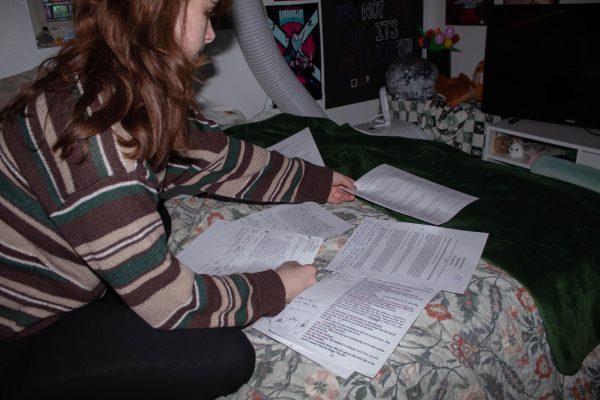
Sometimes, not engaging becomes a habit.
Sometimes, it’s also about decision fatigue. College life is a constant stream of choices, big and small.
Bed rotting is a way to hit pause, a temporary escape from having to decide what to do next, where to go or how to respond to every notification. There’s a kind of immediate gratification that comes from indulging in these simple comforts: a small dopamine boost for doing almost nothing.
TikTok and Instagram have turned bed rotting into a full-blown microtrend. Videos of people spending entire days in bed rack up millions of views, often framed as “self-care” or “survival mode.” Phrases like “horizontal productivity” or “cozy recovery day” make it feel less lazy and more intentional. But seeing it everywhere also normalizes the behavior — the more people share it, the more it feels like a collective coping strategy rather than a warning sign.
The Culture Around It
Bed rotting has quietly become part of college culture. It’s joked about in group chats, referenced in passing and fully understood without explanation. There’s a kind of unspoken agreement: we’re all exhausted, and this is how we cope. It exists in contrast to the pressure to always be doing something. College students are expected to balance academics, jobs, social lives and planning for the future. Bed rotting pushes back against that, even if only for a few hours.
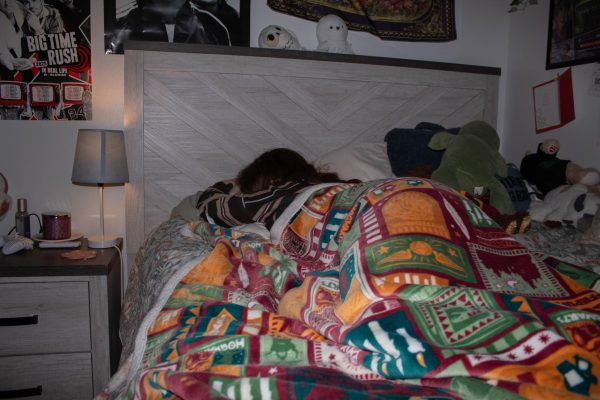
At the same time, bed rotting can feed off itself in social groups.
When everyone is joking about rotting all weekend or normalizing doing nothing for days at a time, it can quietly lower the standard for productivity. It becomes easier to put things off when it feels like no one else is keeping up either. That shared mindset can snowball, especially in college, where deadlines can pile up quickly and falling behind can feel overwhelming.
That cycle doesn’t just affect grades or deadlines — it can take a toll on mental health. Falling behind academically or socially can increase feelings of stress and guilt, which may worsen anxiety or depression.
What begins as a shared coping mechanism can quietly become a loop that intensifies the very pressures students are trying to escape.
What It All Means
Bed rotting isn’t just lying in bed. It’s a stress response to burnout and a culture that rarely tells us it’s okay to stop. It’s messy, sometimes necessary, sometimes unhelpful and almost always relatable.
I’m still figuring out my own balance. Some days, a rest or a pause is exactly what I need. Other days, it feels like I’m hiding from everything I don’t want to deal with.
Maybe tomorrow I’ll get up on time. Maybe I won’t. For now, in a life that never really slows down, staying horizontal feels like its own kind of survival.
Kat Thomas is a writer. Contact them at [email protected]