









Sydney Sweeney lies on a white chair, buttoning up her jeans for the camera.
Moving seductively, she speaks in a low voice: “Jeans are passed down from parents to offspring, often determining traits like hair color, personality and even eye color. My jeans are blue.”
That they are. This scene, part of American Eagle’s “Sydney Sweeney Has Great Jeans” ad, has stirred up a lot of controversy. With blue eyes, blonde hair and the perfect body, many viewers have decided she is referencing eugenics — “the use of selective breeding to improve the human race,” according to the National Institutes of Health.
Less than a month after this ad came out, Gap released its own jeans ad, featuring global girl group Katseye.
All six members of the group, each from a different ethnic background, perform a choreographed dance for the ad to the 2003 song “Milkshake” by Kelis Rogers.
“My milkshake brings all the boys to the yard / And they’re like, it’s better than yours / Damn right it’s better than yours / I can teach you, but I have to charge,” Rogers sings.
Throughout the ad, each dancer is showcased wearing a different type of denim outfit, each styled uniquely. Many feel it was a direct response to the AE ad.
-
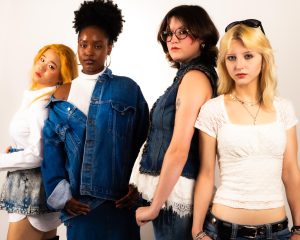
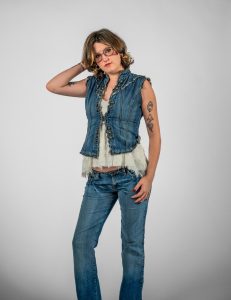
Photographer: Ethan Kish Models: Sarriah James, Kiryan Allen, Beau Gilley and Lucy Ye

-
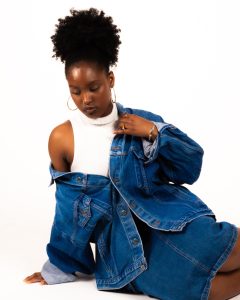
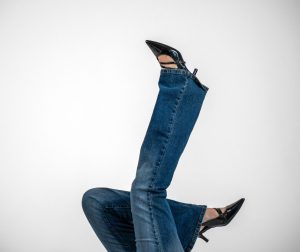
Photographer: Ethan Kish Model: Kiryan Allen
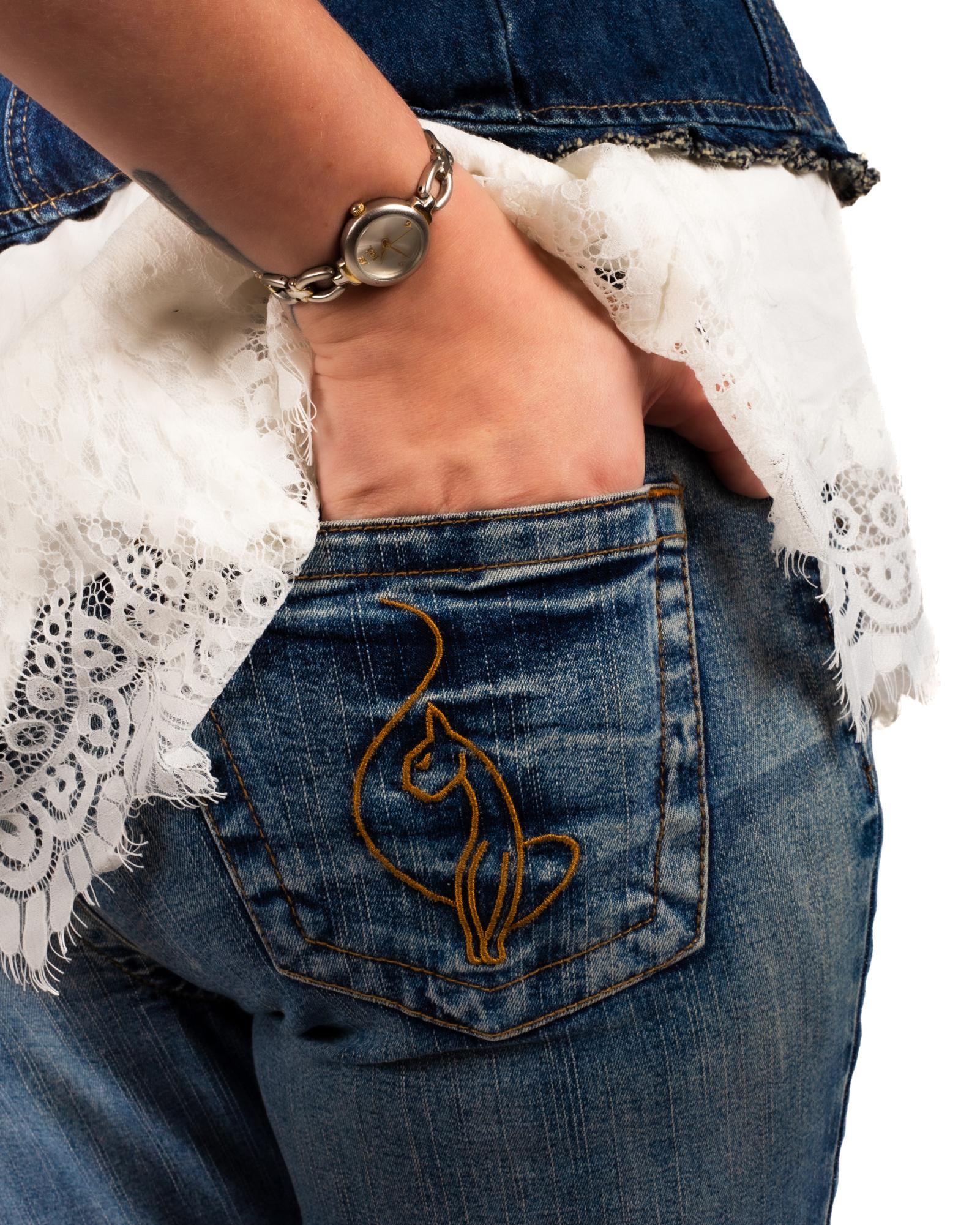
-
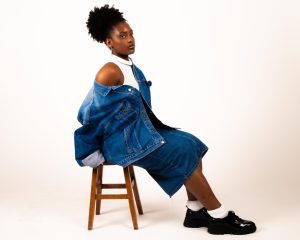
Photographer: Ethan Kish Model: Sarriah James
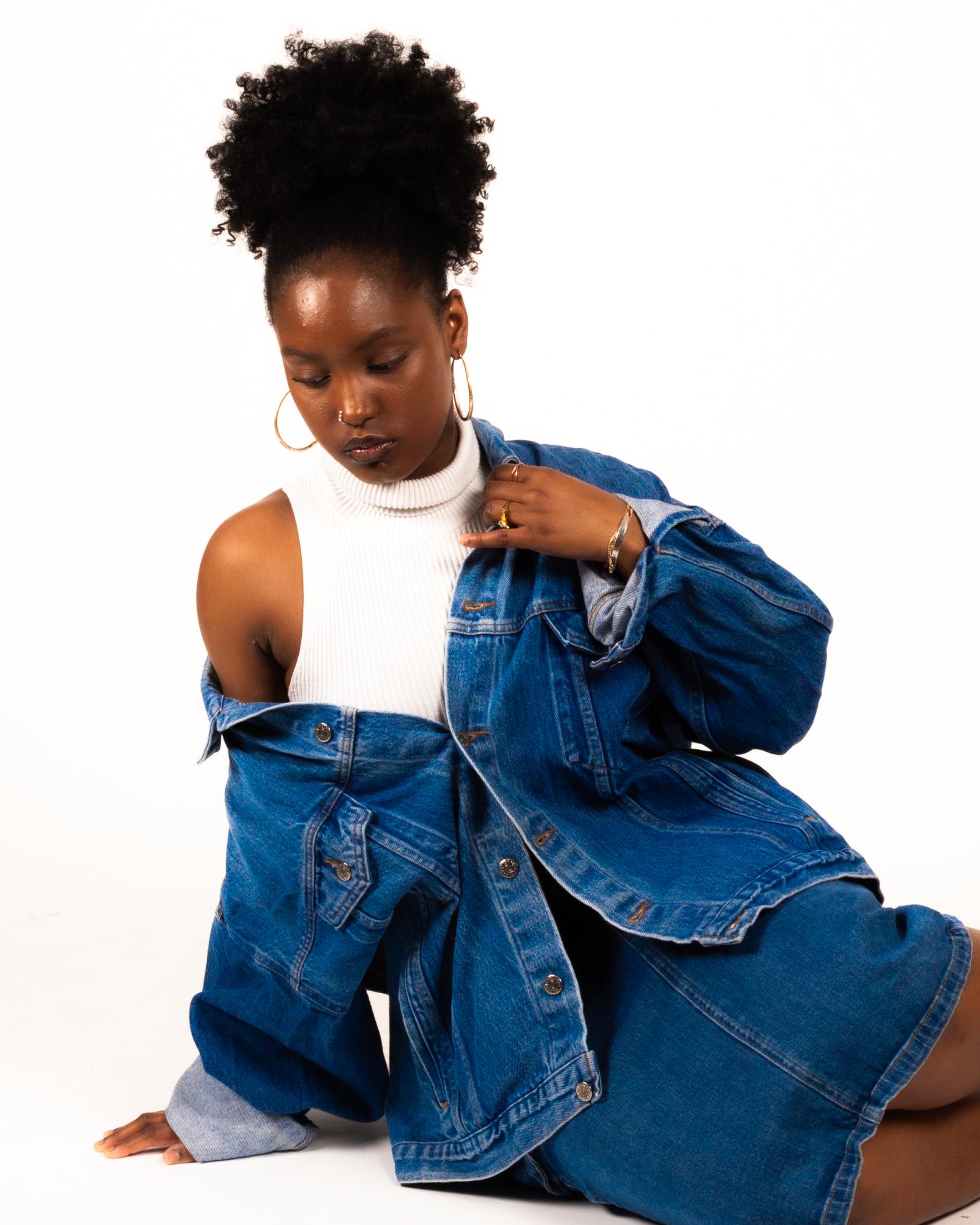
-
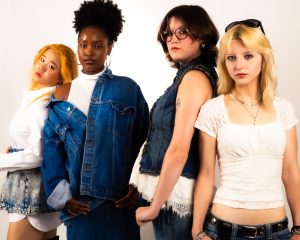
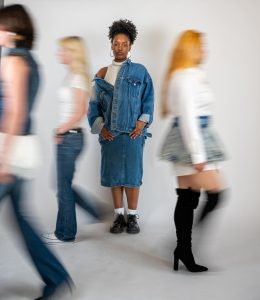
Photographer: Ethan Kish Models: Lucy Ye, Sarriah James, Kiryan Allen and Beau Gilley
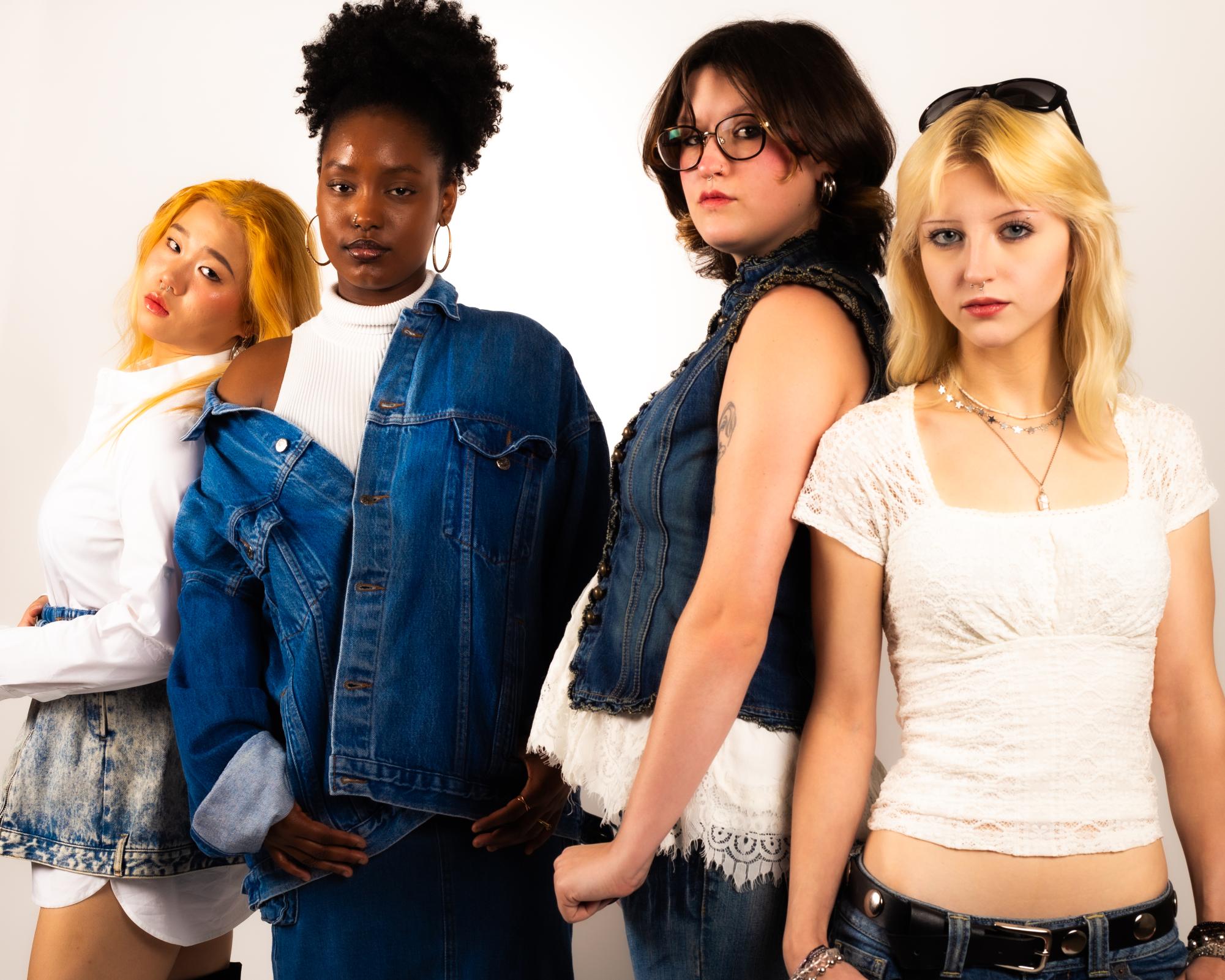
-
Photographer: Ethan Kish Model: Lucy Ye

-
Photographer: Ethan Kish Model: Kiryan Allen
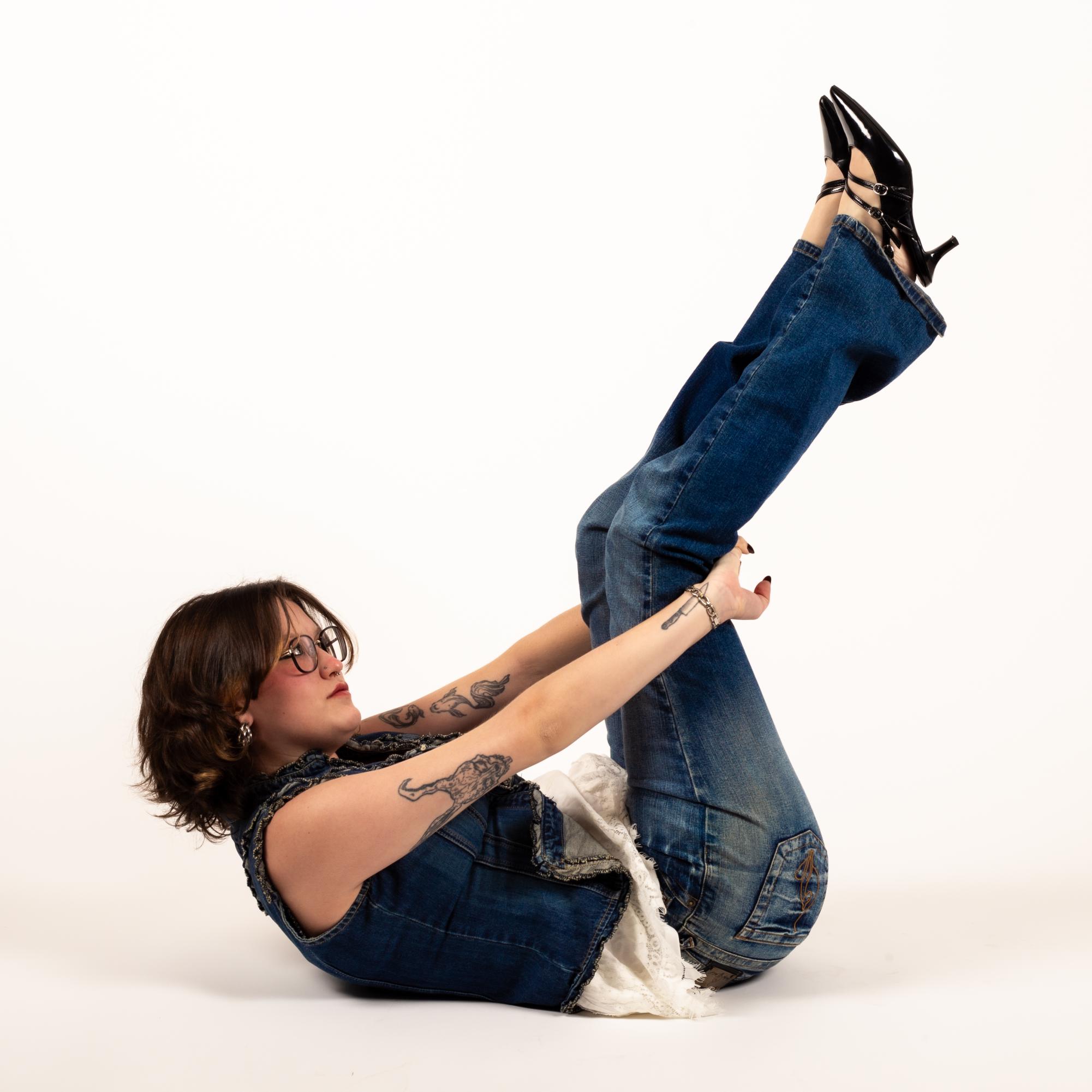
-
Photographer: Ethan Kish Models: Sarriah James
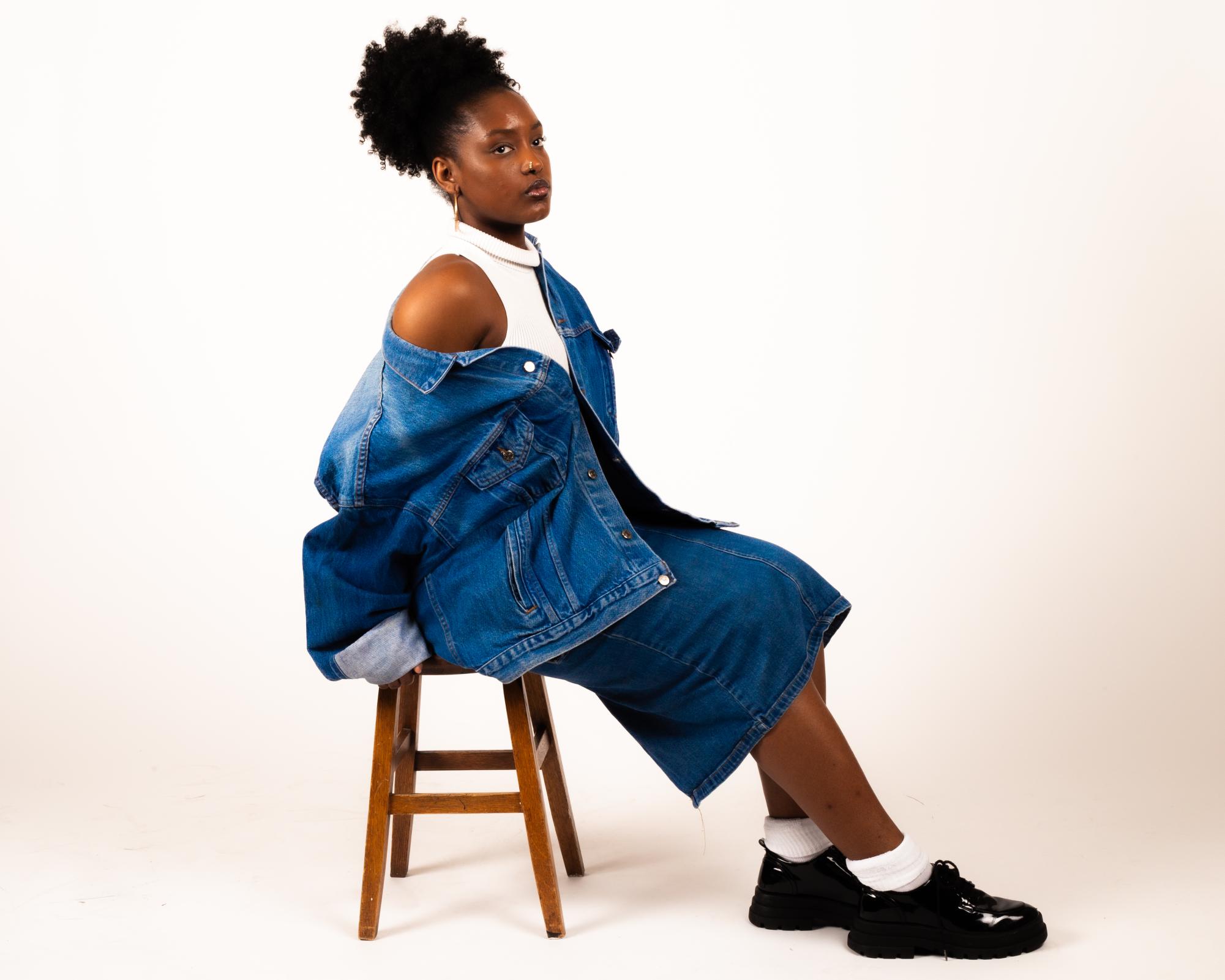
-
Photographer: Ethan Kish Models: Lucy Ye, Sarriah James, Kiryan Allen and Beau Gilley
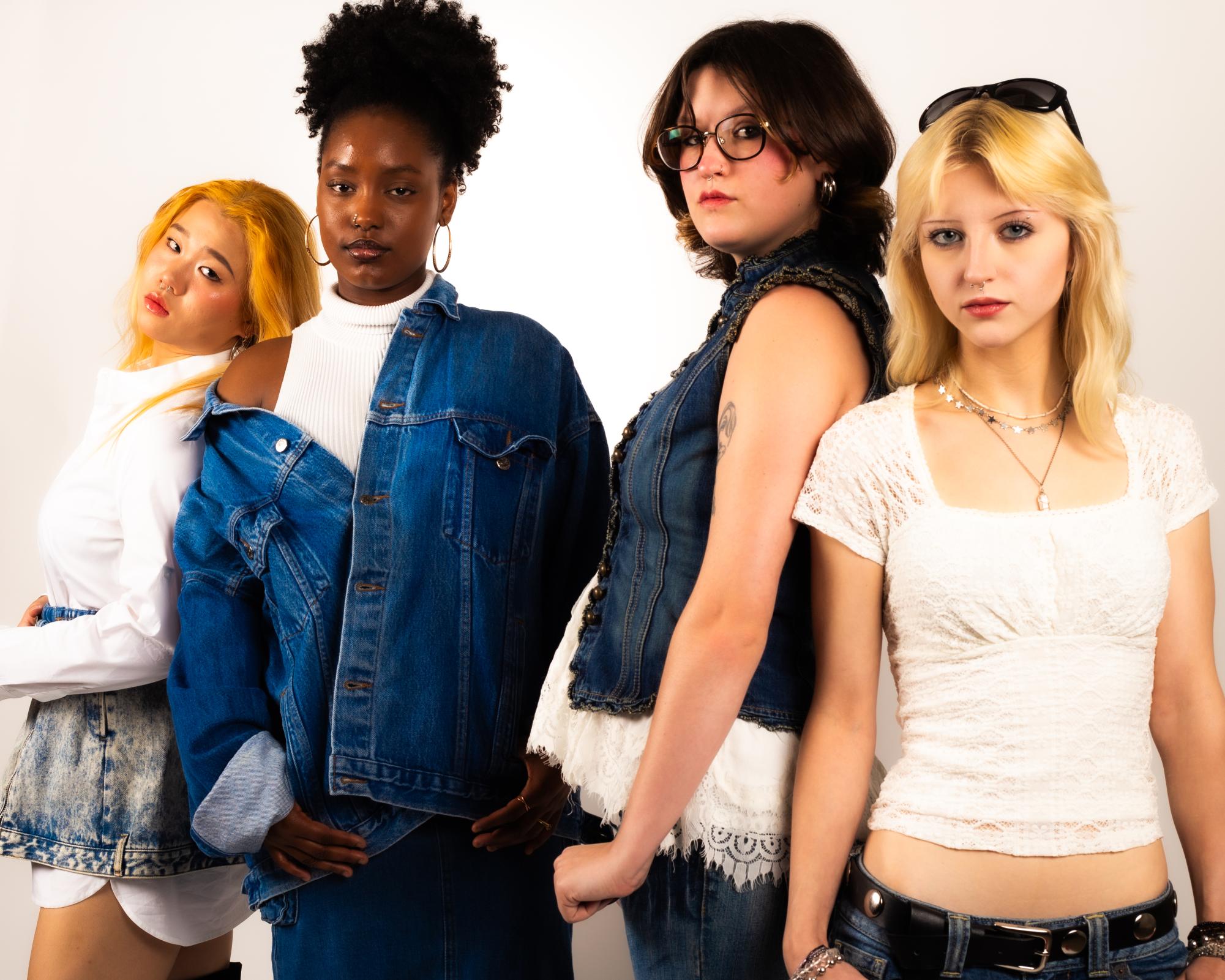
-
Photographer: Ethan Kish Models: Lucy Ye and Sarriah James

-
Photographer: Ethan Kish Models: Kiryan Allen and Beau Gilley

-
Photographer: Ethan Kish Models: Kiryan Allen and Beau Gilley
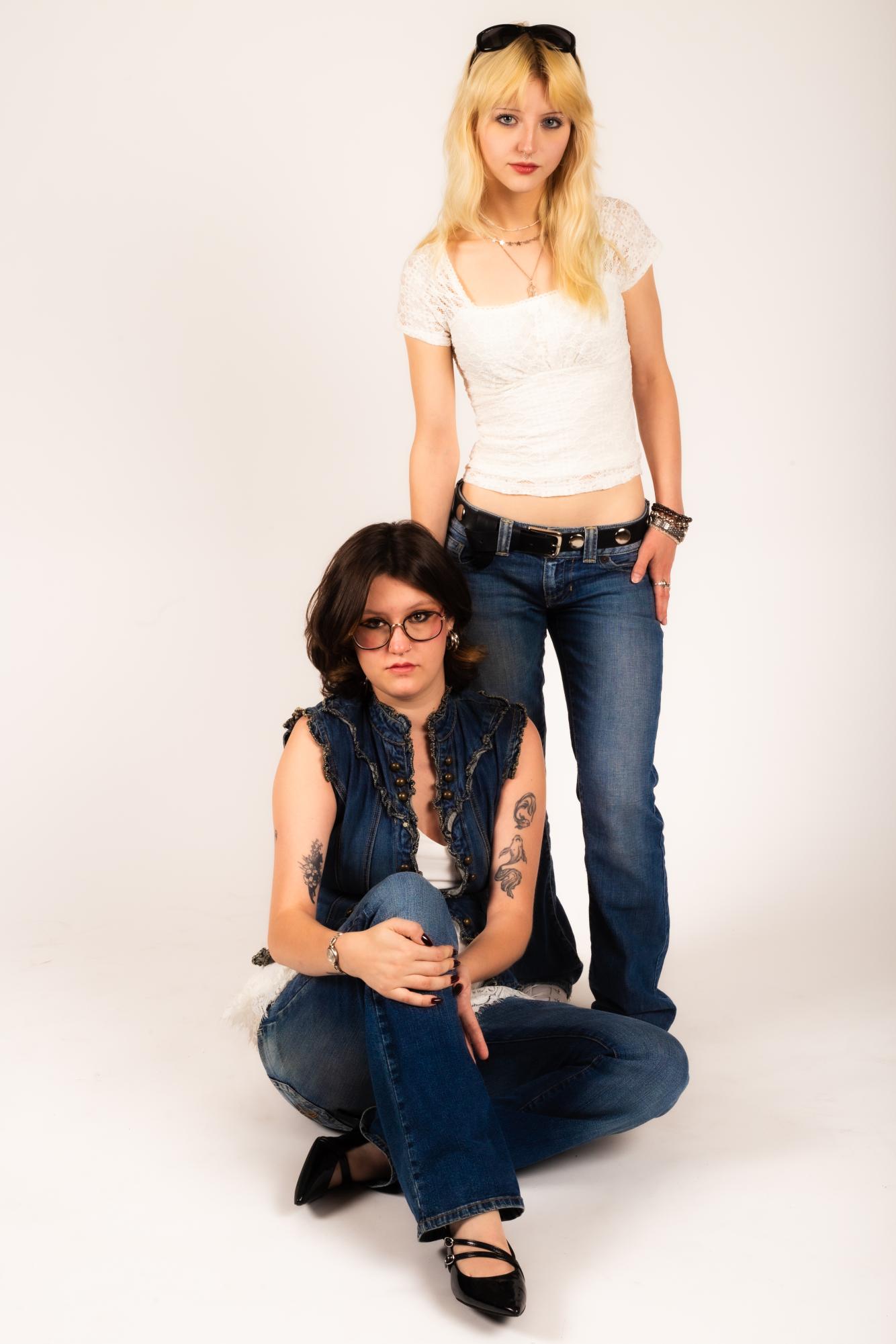
-
Photographer: Ethan Kish Model: Lucy Ye

-
Photographer: Ethan Kish Model: Beau Gilley

-
Photographer: Ethan Kish Models: Beau Gilley










“My jeans are blue” — American Eagle’s controversy
After the AE ad was released, people were quick to point out its eugenic references.
At its most extreme, eugenics became popular in Nazi Germany, providing the ideological framework for the Holocaust when blended with racial antisemitism, according to the Holocaust Encyclopedia.
You can see why the AE ad was met with so much unease.
“I was kind of taken aback. … It seemed like they were less selling the jeans and more selling the person wearing the jeans,” says Dana Griffith, a sophomore fashion design major. “I thought it was very sexist, like supposed to go toward the women’s gaze … but it was more toward the male gaze.”
On top of the eugenic accusations, the Sweeney ads call back to an even more outright eugenic ad, the 1980 Calvin Klein campaign starring then-15-year-old Brooke Shields.
Karisa Butler-Wall, assistant professor in the School of Media and Journalism as well as the School of Communication Studies, says the AE ad isn’t much different because most people view Sweeney as high-school age because she gained popularity from playing a teenager in “Euphoria.”
Sweeney is even posed the same as Shields, reciting a similar script and copying her movements.
“My respect for American Eagle went down because it literally just was selling a woman in jeans,” Griffith says. “It just felt so misogynistic and like you’re setting us back 20 years.”
Why did the company decide to go this route? The answer is unclear, but Butler-Wall says we’re in a moment where controversy sells.
“It would be very shocking to me if no one at American Eagle who previewed that ad had any idea that it could be controversial — I don’t buy that. Was it purposeful? I’m not sure,” she says.
Randy Aimone, lecturer for the Ambassador Crawford College of Business and Entrepreneurship, says the adage “all publicity is good publicity” also comes into play with this ad.
“By stirring up controversy, you can sometimes increase sales because, oh my God, were people talking about American Eagle,” he says.
If AE did release the ad knowing it could be problematic, but they wanted to speak to the subgroup of their audience they knew it would appeal to, then Aimone says they did a good job.
“You can be hated by everyone else as long as a segment of the population really, really loves you,” he says.
AE’s press release from the day the ad came out says the company hopes the ad will “further elevate its position as the #1 jeans brand for Gen Z,” and that its goal was to return to essential denim dressing and a celebration of what the beloved brand does best: “Making customers look and feel good in AE Jeans.”
Alysha Thierry, a sophomore fashion design student, says the ad did the opposite for her.
“I feel like we’re going to start seeing this a lot more now that they got rid of [diversity, equity and inclusion] because I feel like now, they don’t really have to outsource on opinions,” she says. “It seemed very much like a room of one type of person being like, ‘Oh, this is a good idea,’ and not really asking people of color or really any other person what they thought about it.”
AE released a statement on its Instagram on Aug. 1, saying, “‘Sydney Sweeney Has Great Jeans’ is and always was about the jeans. Her jeans. Her story. We’ll continue to celebrate how everyone wears their AE jeans with confidence, their way. Great jeans look good on everyone.”
As quoted in an article by The New York Times, the company plans to continue with the campaign and release more marketing materials throughout the rest of the year.
“Better than yours” — Gap claps back
Megan Skiendiel, Daniela Avanzini, Lara Raj, Yoonchae Jeung, Sophia Laforteza and Manon Bannerman, the members of Katseye, dance their hearts out in the minute-and-a-half Gap jeans ad.
All between the ages of 17 and 23, the group debuted in 2024 and gained popularity after releasing their 2025 hit “Gnarly.”
Katseye is quoted in Gap’s fall denim campaign press release, saying, “Gap didn’t ask us to fit in — they invited us to show up as we are. The denim moved with us, and every look felt like our own. We got to perform as ourselves, bringing our style and culture to every frame. That’s what makes this moment so powerful.”
“It almost felt like a dig at the American Eagle ad, especially with the music choice they had, where it was literally at one point in the song like, ‘We’re better than yours,’” Griffith says. “So, it’s really saying, ‘We’re better than your jeans.’”
Over 800,000 people learned the “Milkshake” dance and posted it on TikTok, including Griffith.
“There’s just no girl in [Katseye] that does not look so unique, and I think that’s so special,” she says. “You could look in that ad and you could find someone that’s like, ‘Oh, that looks like me. I could 100% wear these jeans, and it would look so cute.’”
Thierry says that because the ad showcased people of so many different races, Gap showed that their brand is for everybody.
“You can see how it looked on different skin tones. … You’re going to want to see people that look like you wearing the clothes, and they were so stylish,” she says. “Gap is way more fashionable.”
After the ads
“[American Eagle] was a brand that I genuinely thought had really nice clothes, and I thought that they were a good brand to shop with until it kind of felt like they were just sexualizing us and being like, ‘Yeah, women want their butts to look good in jeans.’ Well, that’s not what I think I want to look for in jeans,” Griffith says. “I want to look for a fun, baggy fit with low rise and unique styles to it.”
She has never wanted to buy Gap jeans before, but after its ad, she wants to order some. She doesn’t see herself shopping at AE again, and neither does Thierry.
“I had a gift card for American Eagle, and I still haven’t used it because I’m looking at the jeans, and they’re all just basic jeans, and it’s just upsetting to see because we really want that uniqueness,” Griffith says.
Thierry says she can’t remember all the jeans ads that came out before this, but these two were memorable because Gap clapped back.
“I think the main focus of Gen Z right now is that we all are kind of like wanting the world to have some change in it and wanting that uniqueness in the world,” Griffith says. “I’m probably going to be seen in Gap jeans sometime soon.”
-
Photographer: Lillian Glaze Models: Lucy Ye, Sarriah James, Kiryan Allen and Beau Gilley
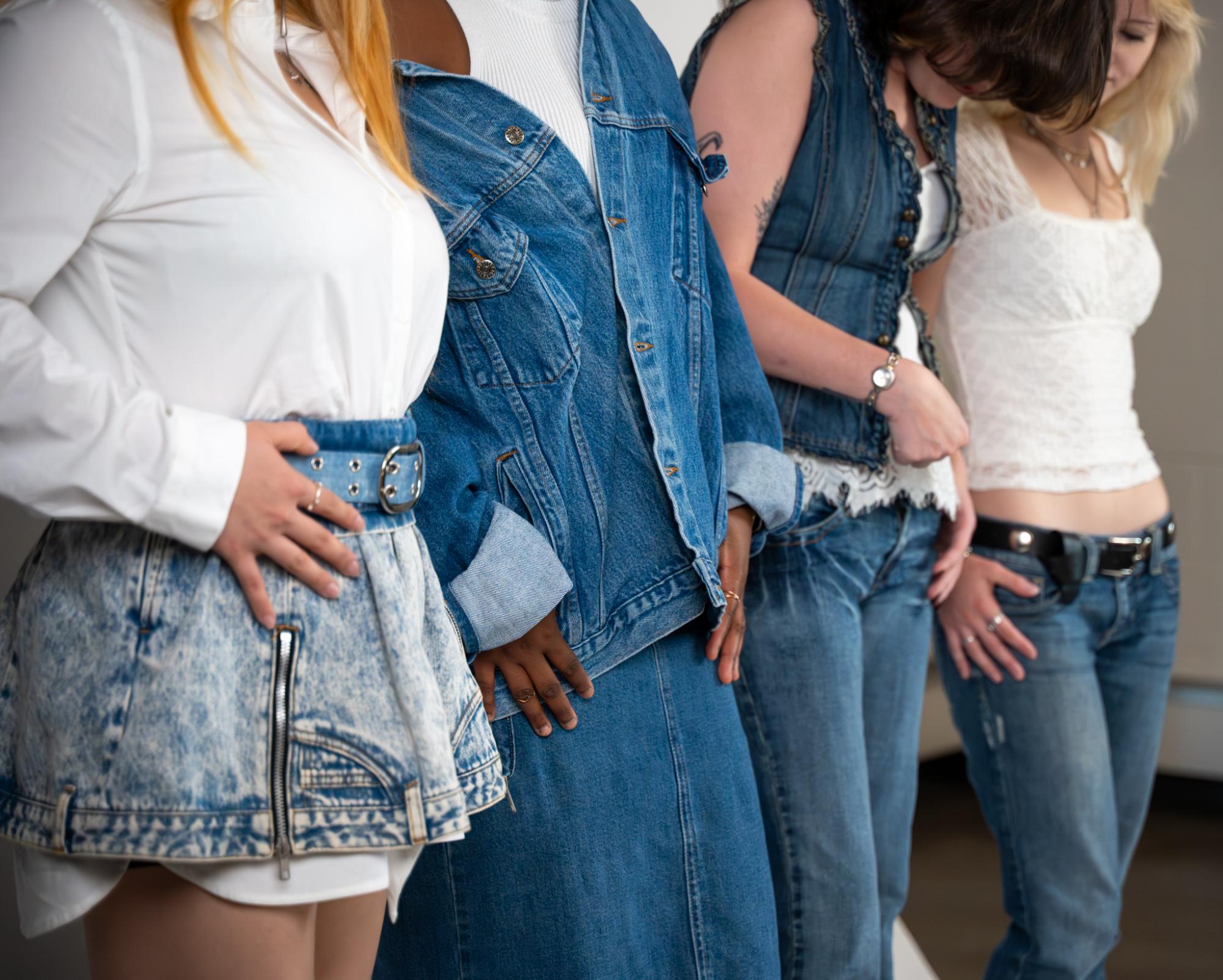
-
Photographer: Lillian Glaze Models: Lucy Ye, Kiryan Allen, Beau Gilley and Sarriah James
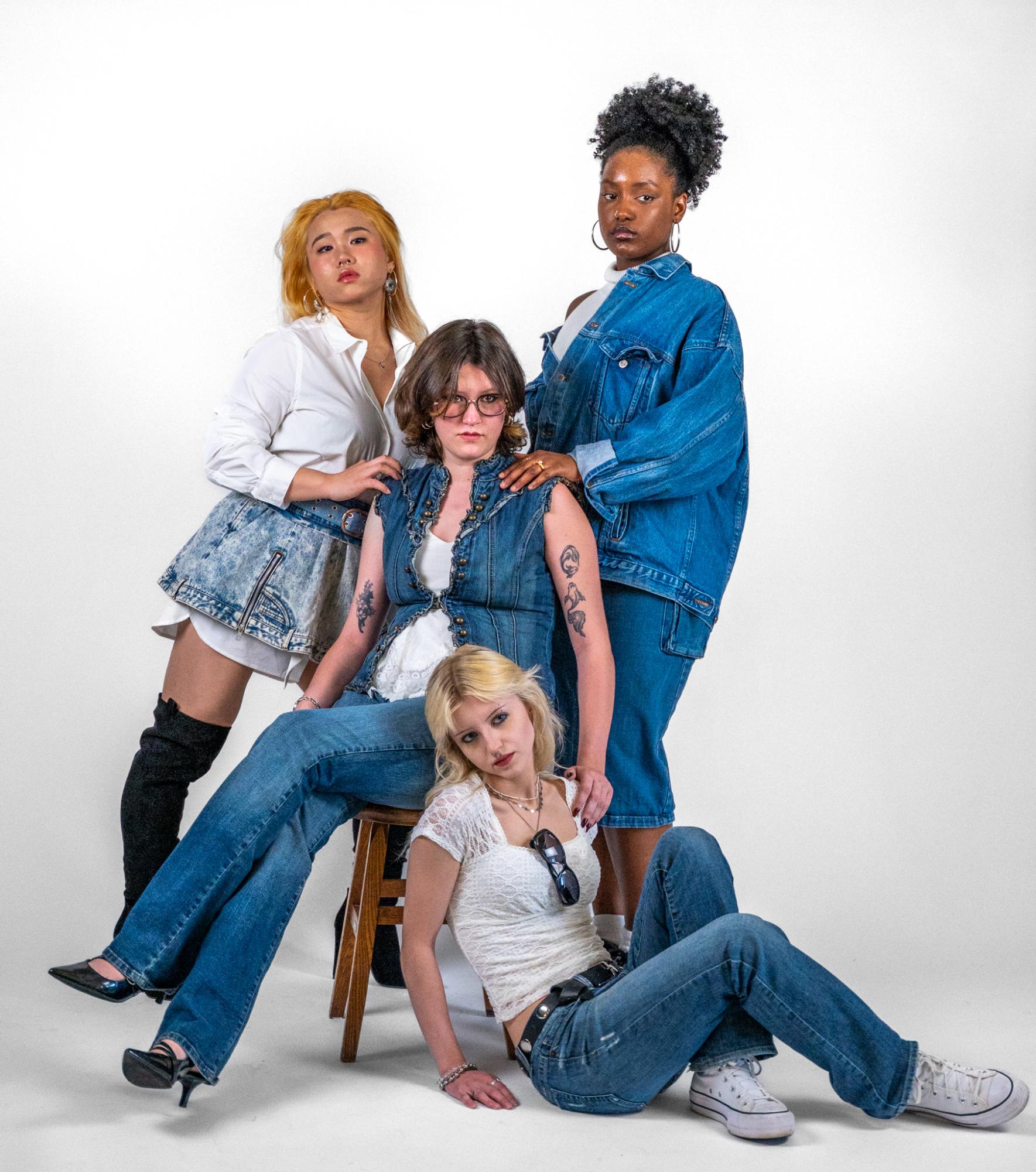
-
Photographer: Lillian Glaze Model: Kiryan Allen
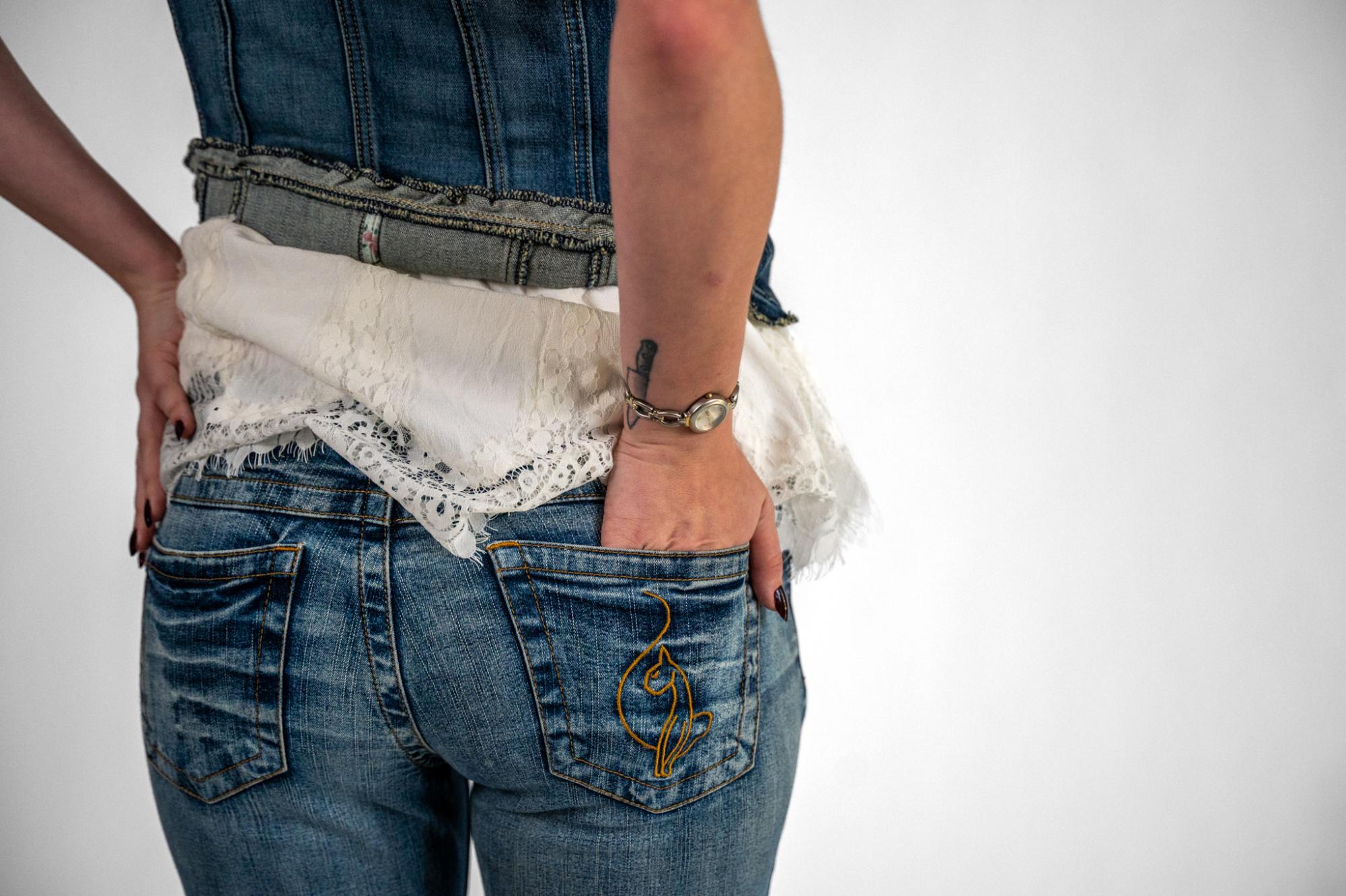
-
Photographer: Lillian Glaze Model: Kiryan Allen
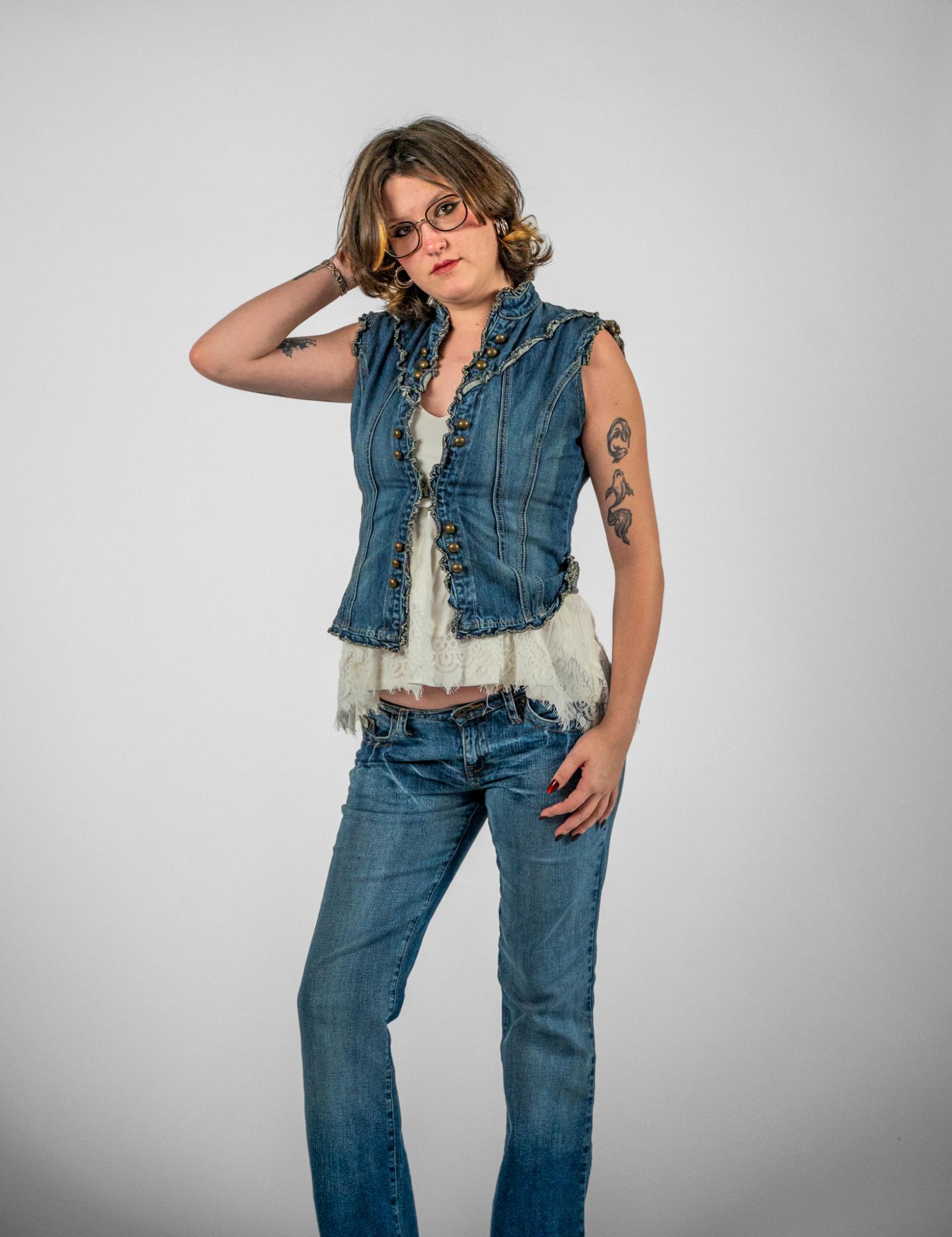
-
Photographer: Lillian Glaze Models: Lucy Ye, Sarriah James, Kiryan Allen and Beau Gilley

-
Photographer: Lillian Glaze Model: Kiryan Allen
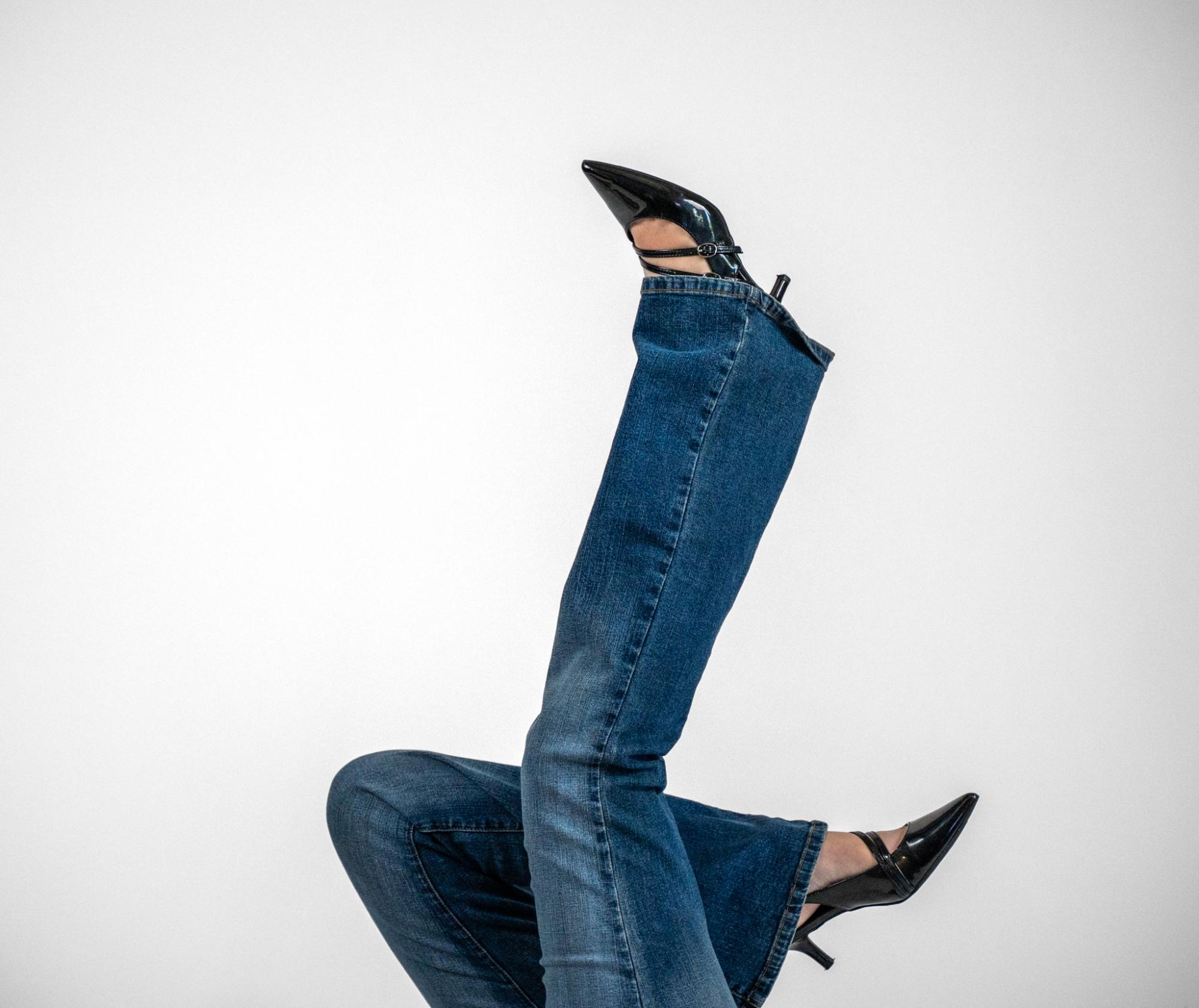
-
Photographer: Lillian Glaze Models: Kiryan Allen, Beau Gilley, Sarriah James and Lucy Ye


Lauren Cohen is the web editor. Contact her at [email protected].
Lillian Glaze is a photographer and designer. Contact her at [email protected].