


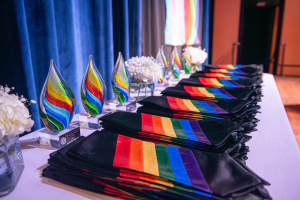



Last semester, seniors Elizabeth Brunner and Ajallah Toure created the Black Art Students United organization after feeling a sense of community was missing at Kent. With the passage of Ohio Senate Bill 1, Brunner worried about being able to start the organization.
“I wanted to make sure last semester, before SB1 was put in place, that we didn’t have any issue becoming an organization,” Brunner says. “We got through it and created it before the effects, so we wouldn’t have to worry about any of the discrepancies made, and we could just keep forward, moving this semester and gaining our audiences.”
SB1, the Advance Higher Education Act, affects many aspects of diversity, equity and inclusion in universities across Ohio. It specifically eliminates any DEI training, offices and scholarships.
When students returned this fall, many of the campus fixtures they had grown to know were no longer there. On June 27, the LGBTQ+ Center, Women’s Center and Student Multicultural Center closed their doors in compliance with SB1.
Last semester, the Kent State chapter of the Ohio Student Association organized a protest against SB1 to show student opposition.
Meanwhile, other students, like Brunner through BASU, have turned to art and community as a form of protest and control over this ever-changing landscape.
“We wanted to bring people together and be able to talk and communicate through each other’s arts because, a lot of times, we aren’t connected in our classes,” Brunner says. “We’ll be the only singular Black students in our classes making art.”
BASU is organizing a “Black Artist Lecture Series” so students can learn about artists who could inspire their work in college. Events and series like this are even more important after the passage of SB1 because of the sense of community they foster, she explains.
“Art fuels revolution,” Brunner says. “Art fuels community. Art is like a weapon against all the forces that are being impacted on this campus, and bringing people together to have those conversations is incredibly important.”
-
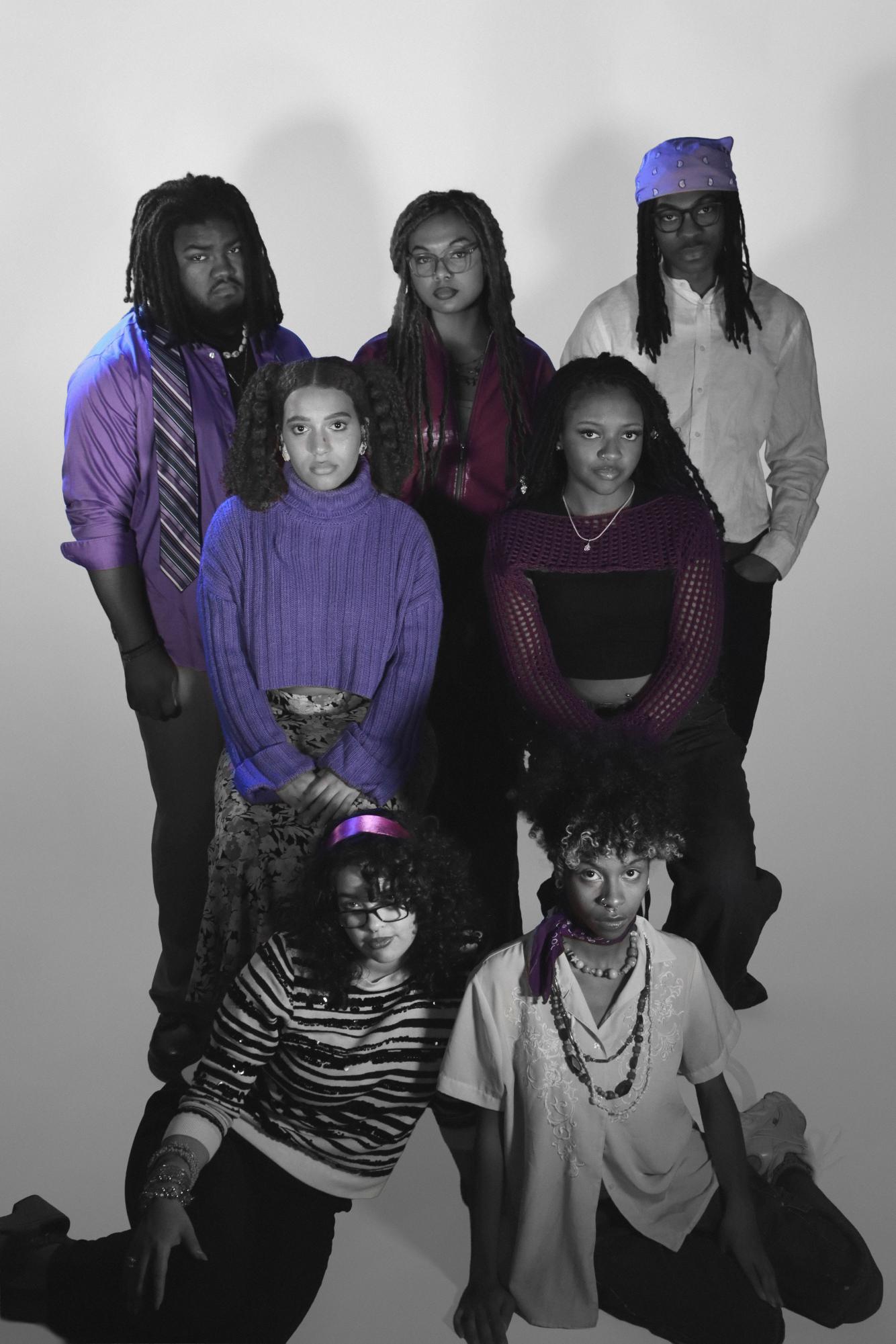
Black Art Students United’s Executive Board. Photo courtesy of BASU and Dan Schultz.
-
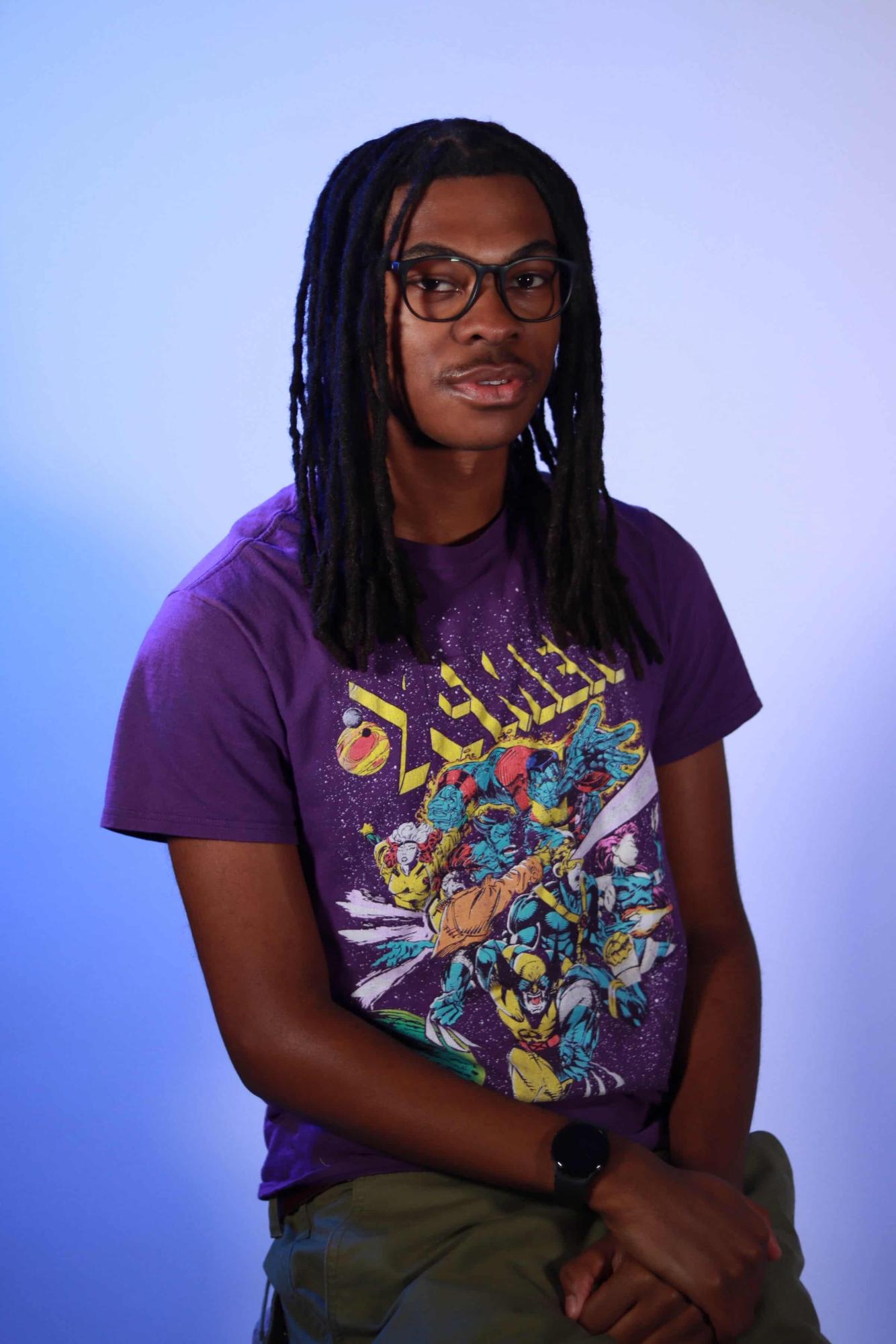
Timothy Green is a senior fashion design major and is the ambassador of fashion for Black Art Students United. Photo courtesy of BASU and Dan Schultz.
-
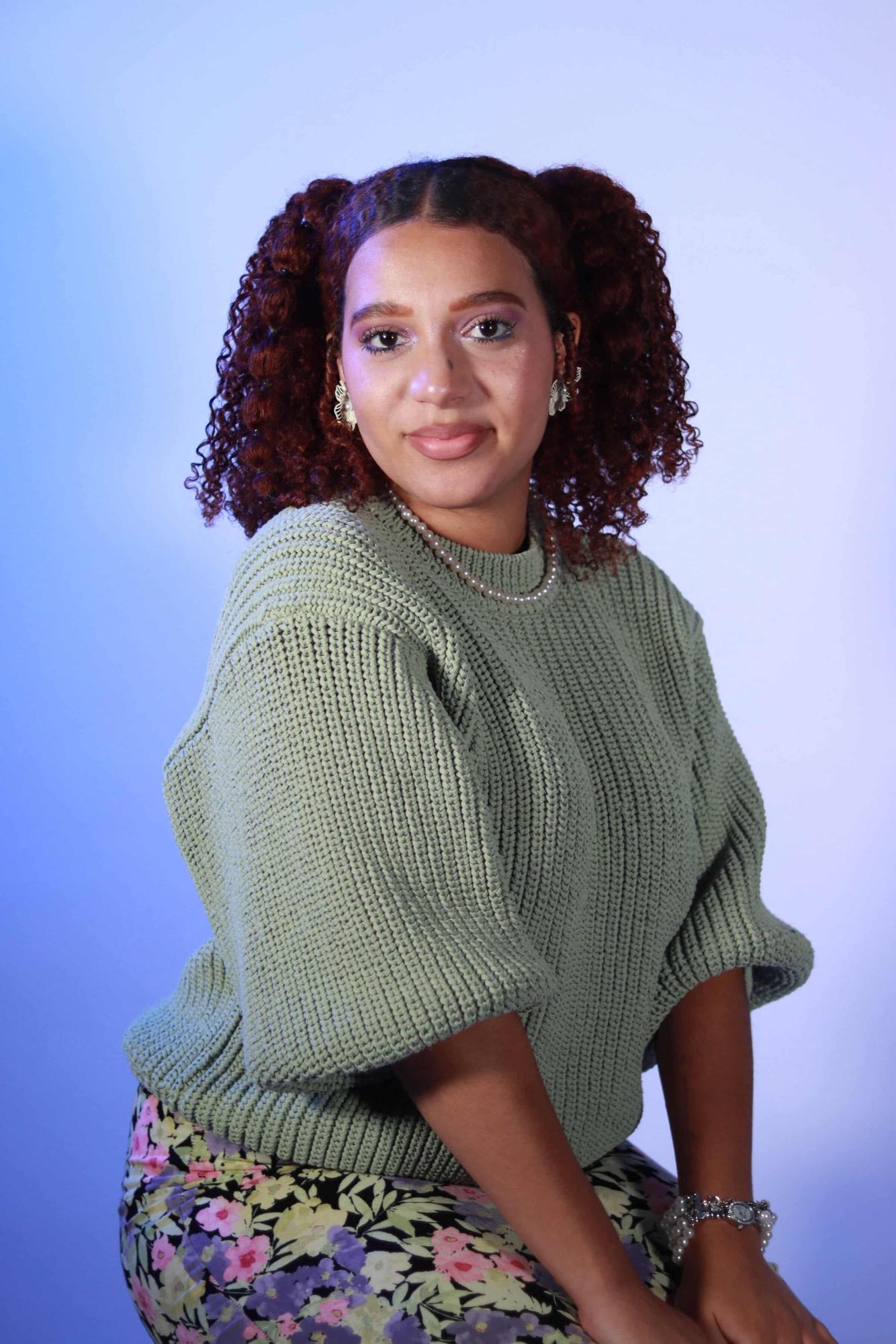
Reily Morris is a sophomore studio art major and treasure of Black Arts Students United. Photo courtesy of BASU and Dan Schultz.
-
Karysn Sharp is a sophomore studio art major and secretary of Black Art Students United. Photo courtesy of BASU and Dan Schultz.
-
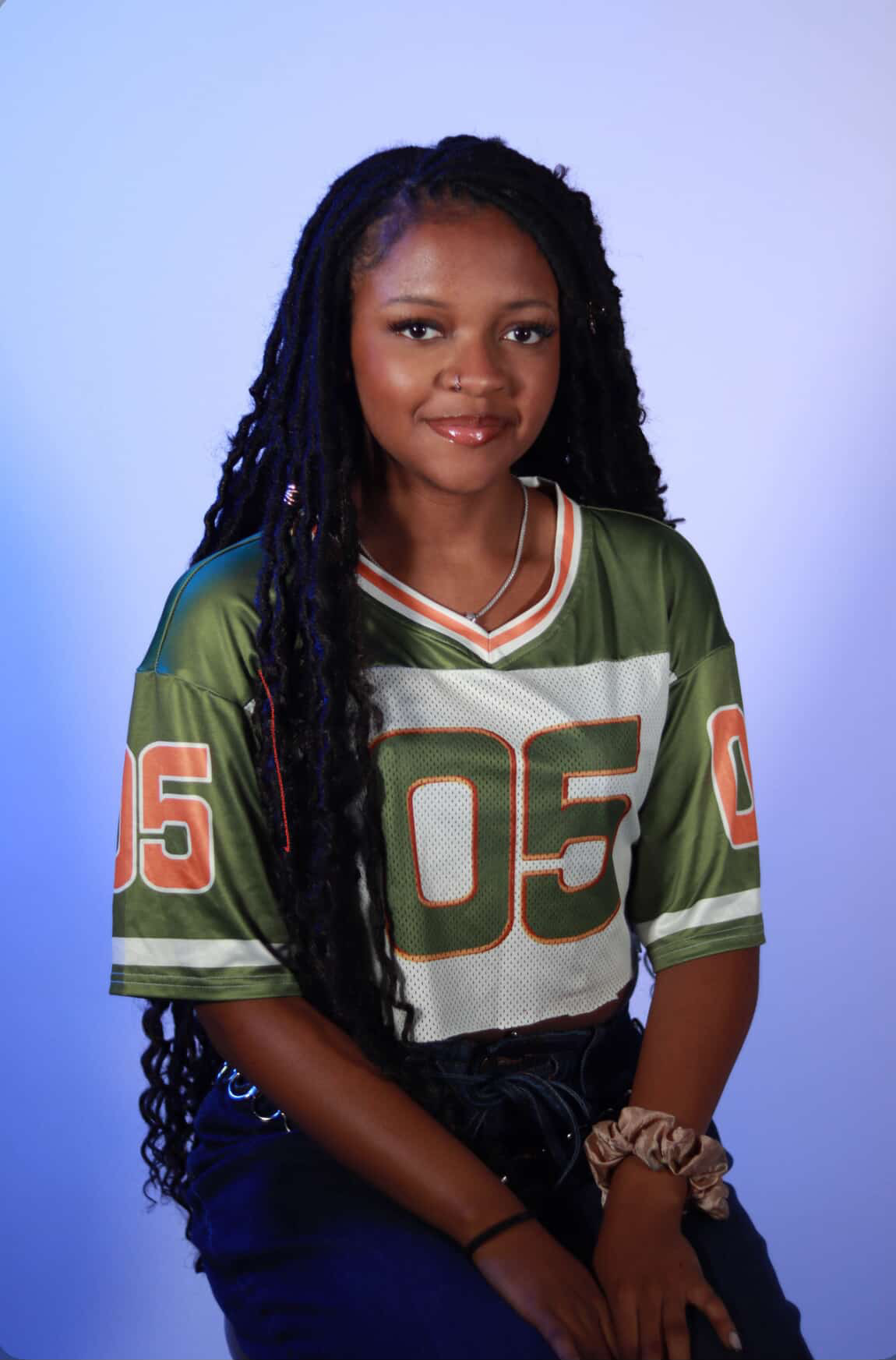
Jacob Hall is a sophomore studio art major and the photography ambassador for Black Art Students United. Photo courtesy of BASU and Dan Schultz.

-
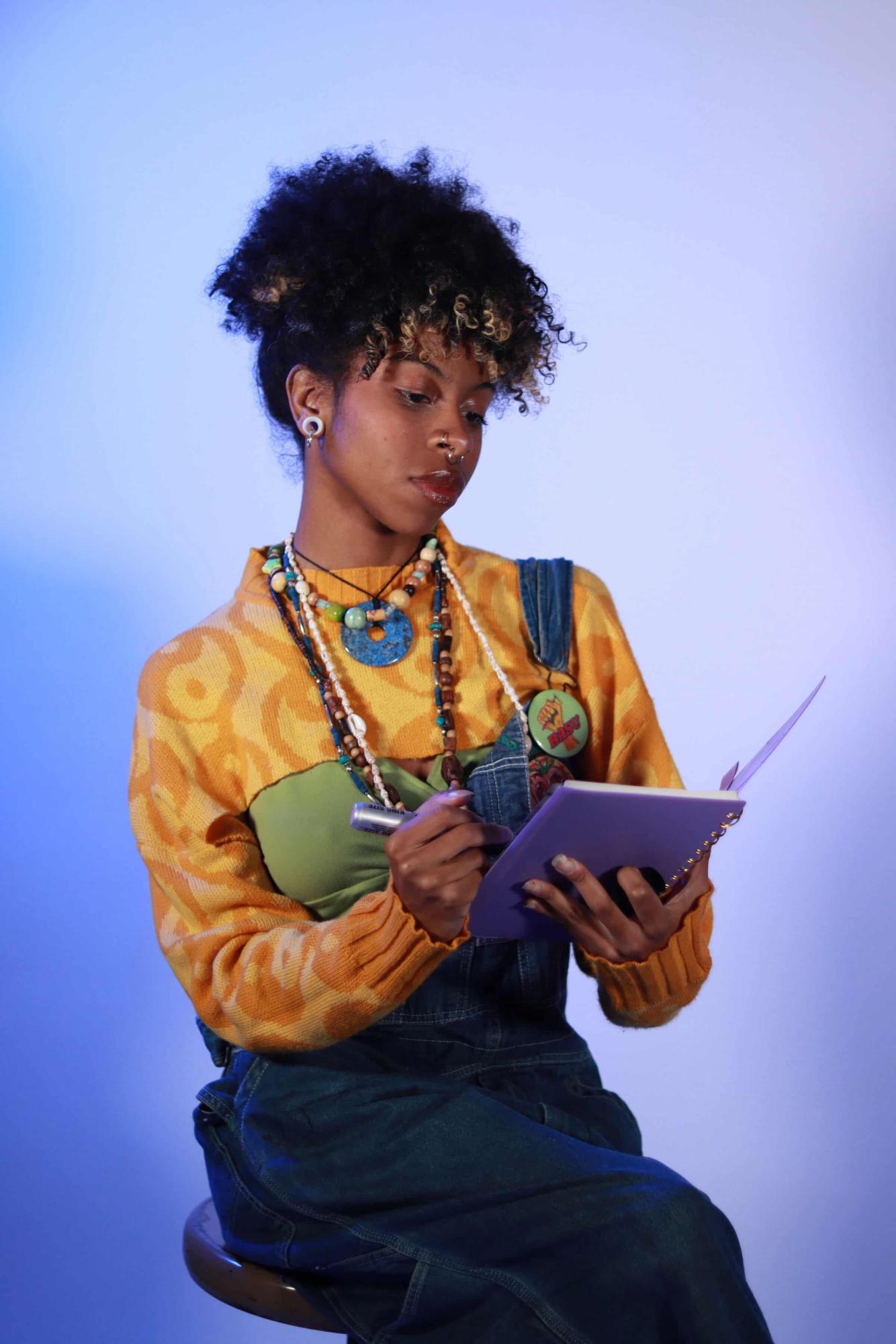
Ajallah Toure is a senior studio art major and the vice president of Black Art Students United. Photo courtesy of BASU and Dan Schultz.
-
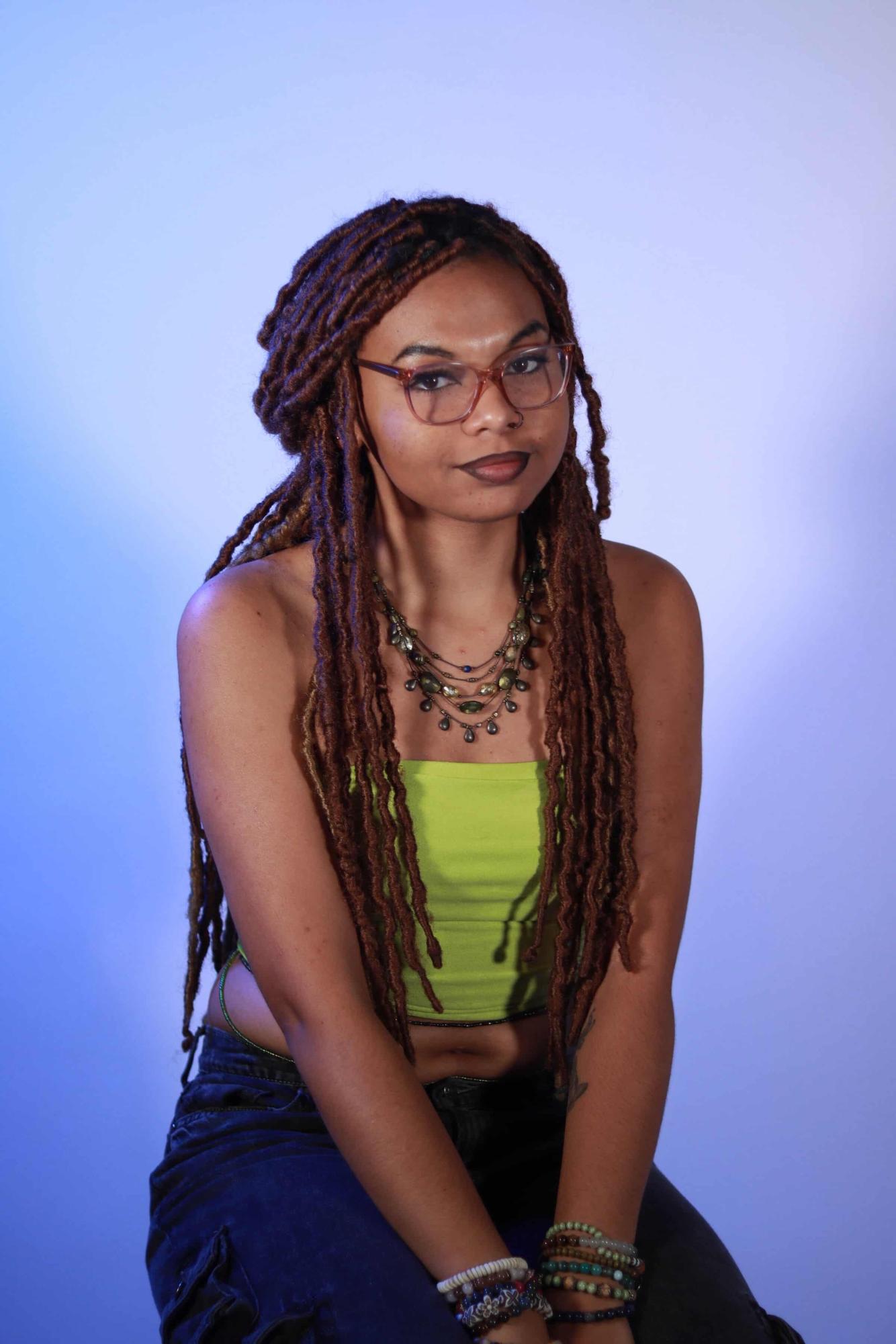
Spade Crawford is a junior studio art major and social media chair of Black Art Students United. Photo courtesy of BASU and Dan Schultz.
-
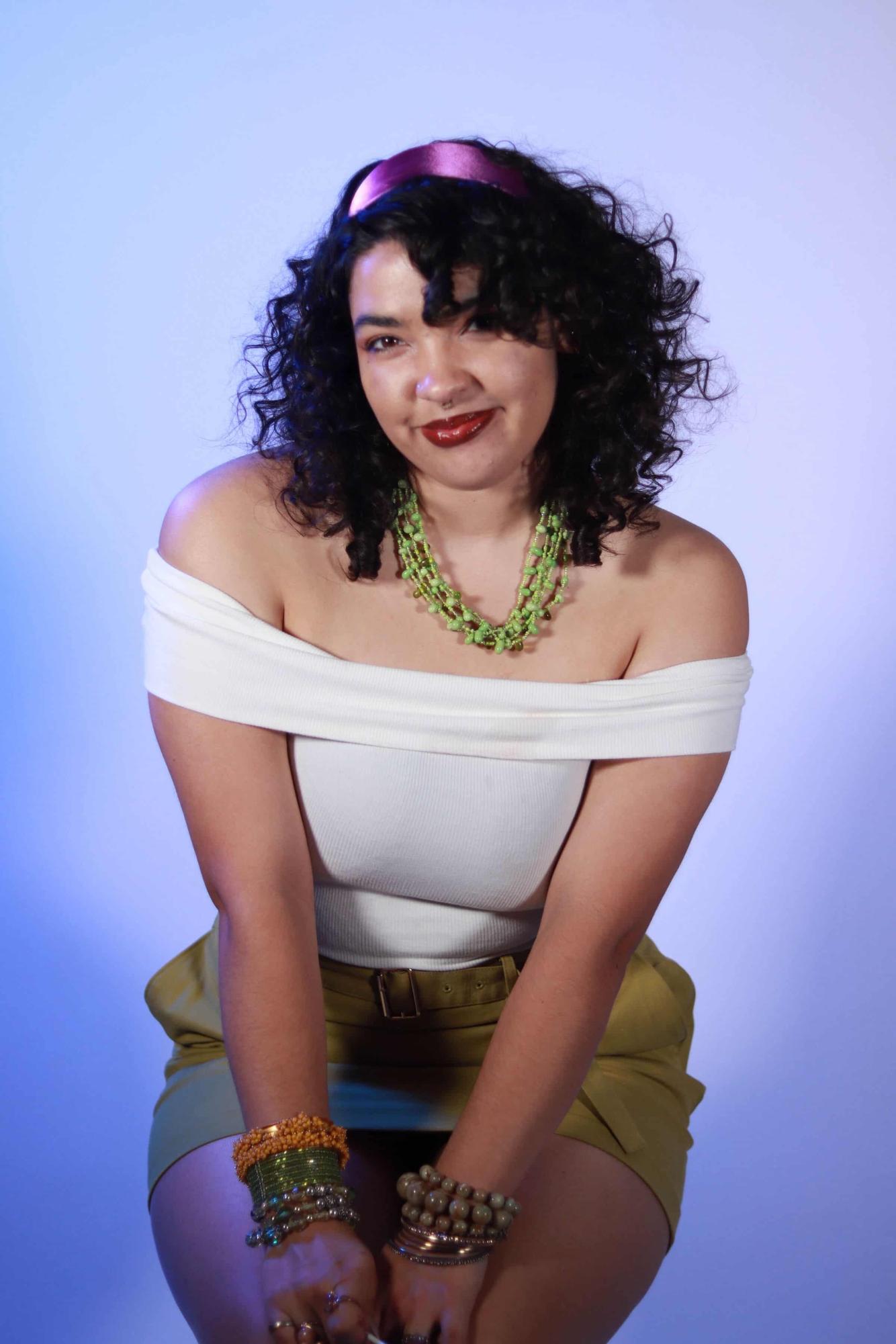
Elizabeth Brunner is a junior studio art major and president of Black Art Students United. Photo courtesy of BASU and Dan Schultz.

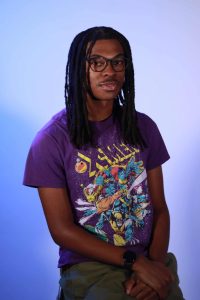



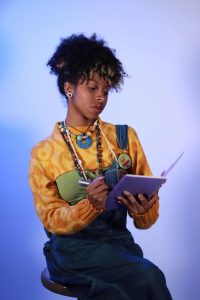
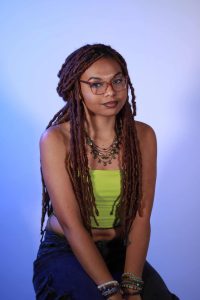

Organizations like BASU help students come together and ensure their voices are heard. Creating art can be a personal outlet, and there is also power in creating art with peers, Brunner says.
“The chance to just be there to create art amongst other people is so crucial. You wake up and there’s a dark cloud of everything just going on in the world,” she says. “Sometimes it’s not enough to voice it, the words aren’t enough.”
Senior visual communication design major Kat Ross also speaks about the importance of community during this time.
“My art is really a space for celebration of the community,” Ross says. “In this crazy, chaotic world, to still know that there’s people who connect with you and feel the same way as you and have that space for the sapphic community is really important.”
Ross creates collage work that reflects their identity as a non-binary lesbian to bring attention to the issues the community faces, especially a lack of representation. Their work is often sold at vendor shows in both the Kent and Cleveland areas.
“I’ve connected with so many people over my art and the lack of representation, especially for sapphic people and queer people in general in the media,” Ross says.
Their collages and prints serve as a reminder that, despite legislation changes and community center removals, the community remains strong.
“I wanted to make a statement and show that queer people are not going away — sapphic people are here,” Ross says. “We are allowed to take up space.”
Times of political change can create hurt and anger within communities, but with this hurt comes art, Ross explains.
“People will never stop creating stuff,” Ross says. “There’s always going to be artists and there’s always going to be creators.”
Senior digital media production major Daylon Masai uses film as a way to react to legislation changes.
“The kind of work that I’m doing now will absolutely be a form of resistance,” Masai says. “Especially with SB1 and its heavy effects on DEI as a whole, we wanted to make it a point that regardless of what the legislation says, we’re going to prioritize everything under the sun that has to do with DEI.”
His recent film, “Wolfsbane,” discusses the Tuskegee Syphilis study, in which 400 Black men with syphilis were left untreated, when treatments were available.
“I took that concept, which is a pretty hefty thing, and paired it with something that people can get behind,” Masai says. “That way, it makes it digestible for people, while also not seeming like you’re sitting on a soapbox. But you can’t ignore the subtext; it’s going to be there regardless.”
While film and art pieces can be seen as an escape from reality, they are also a reflection of the world.
“I feel like we [creatives] have a responsibility to remind everybody: ‘I want you to be able to enjoy your time here, but this is what’s going on outside your door,’” Masai says. “With that, it’s important that we use these platforms to tackle things that people might be dealing with on a regular basis.”
-
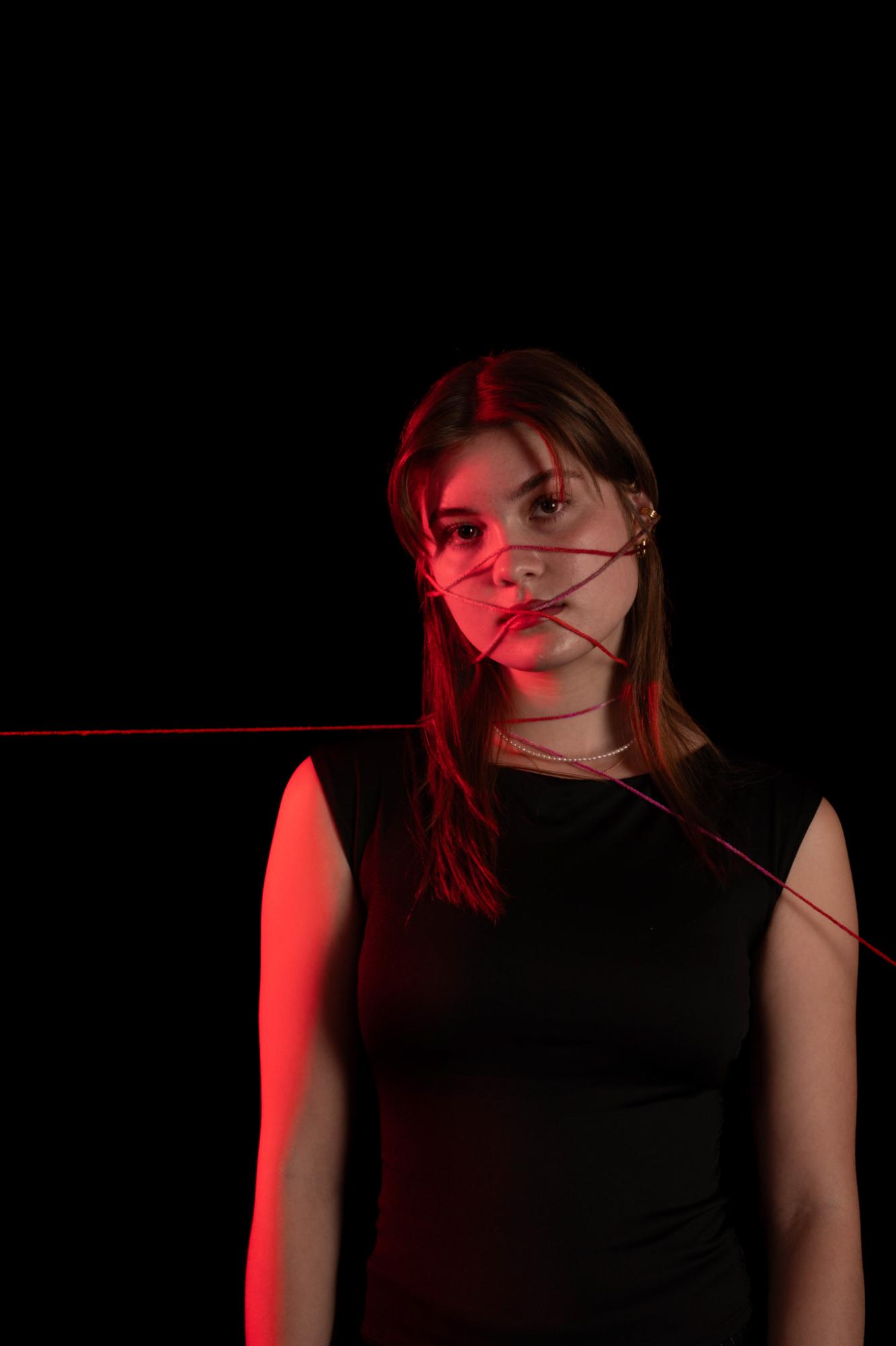
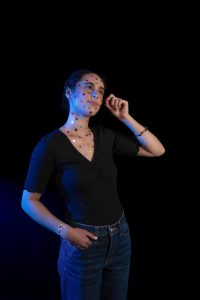
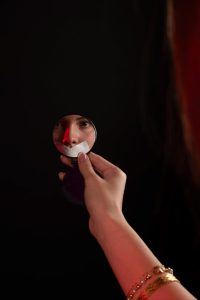
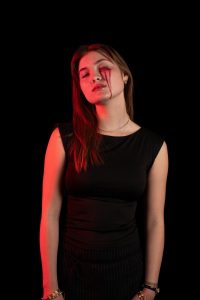
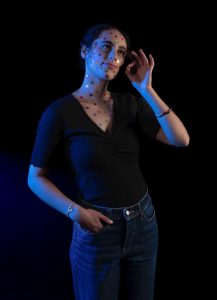
Photographer: Lillian Glaze Model: Madeline Gantzer
-
Photographer: Lillian Glaze Model: Lauren Cohen
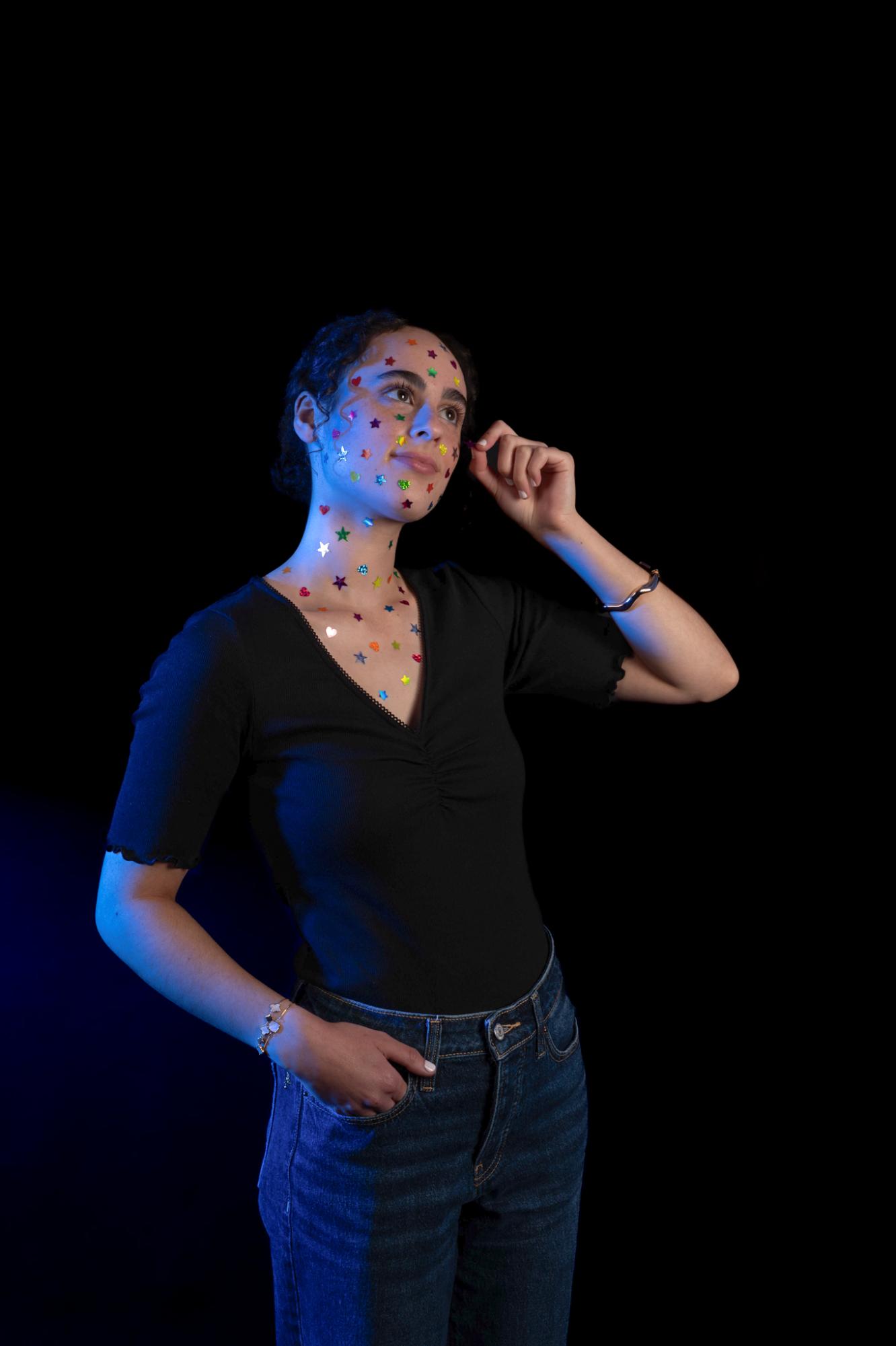
-
Photographer: Lillian Glaze Model: Madeline Gantzer
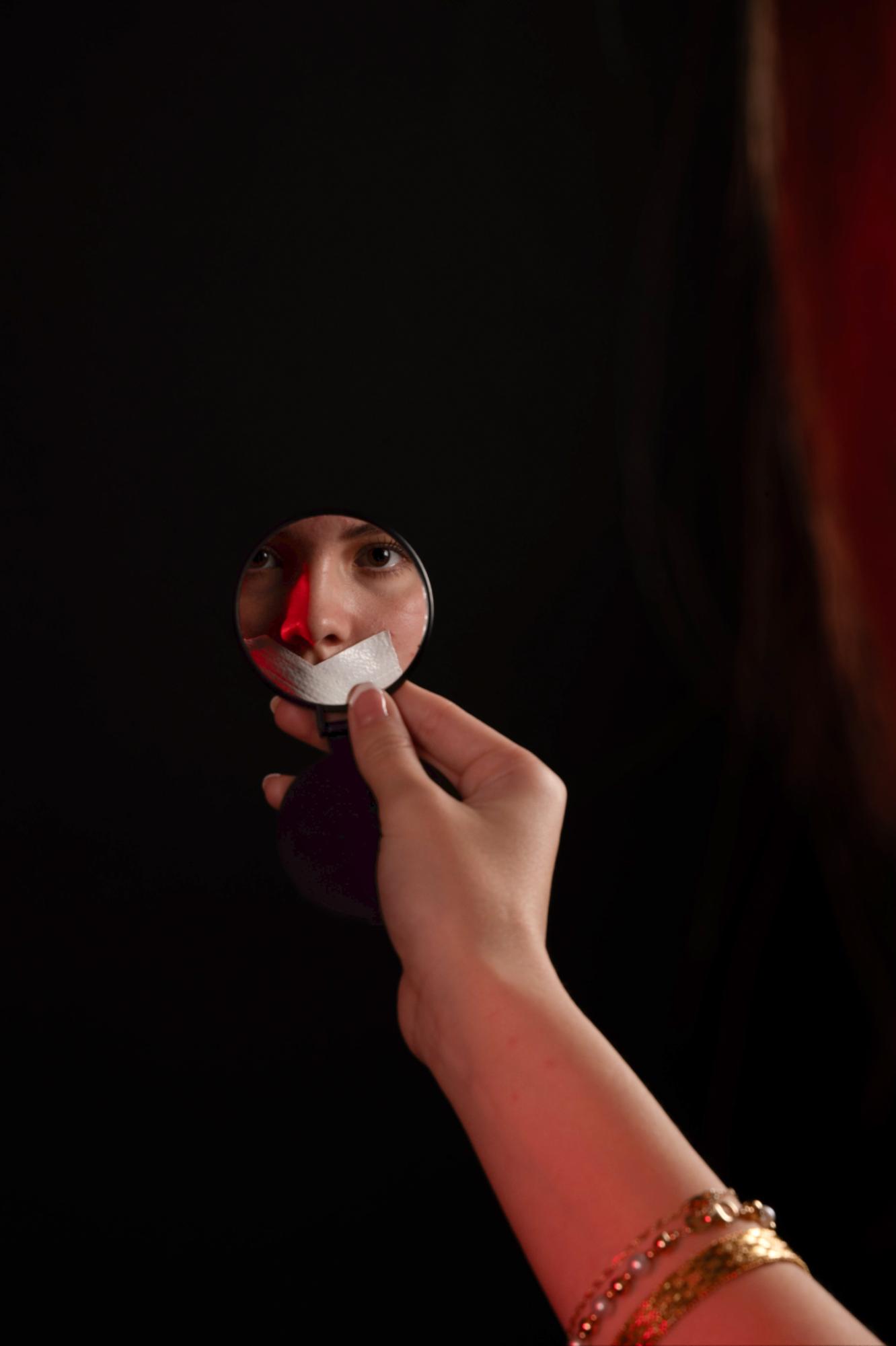
-
Photographer: Lillian Glaze Model: Madeline Gantzer
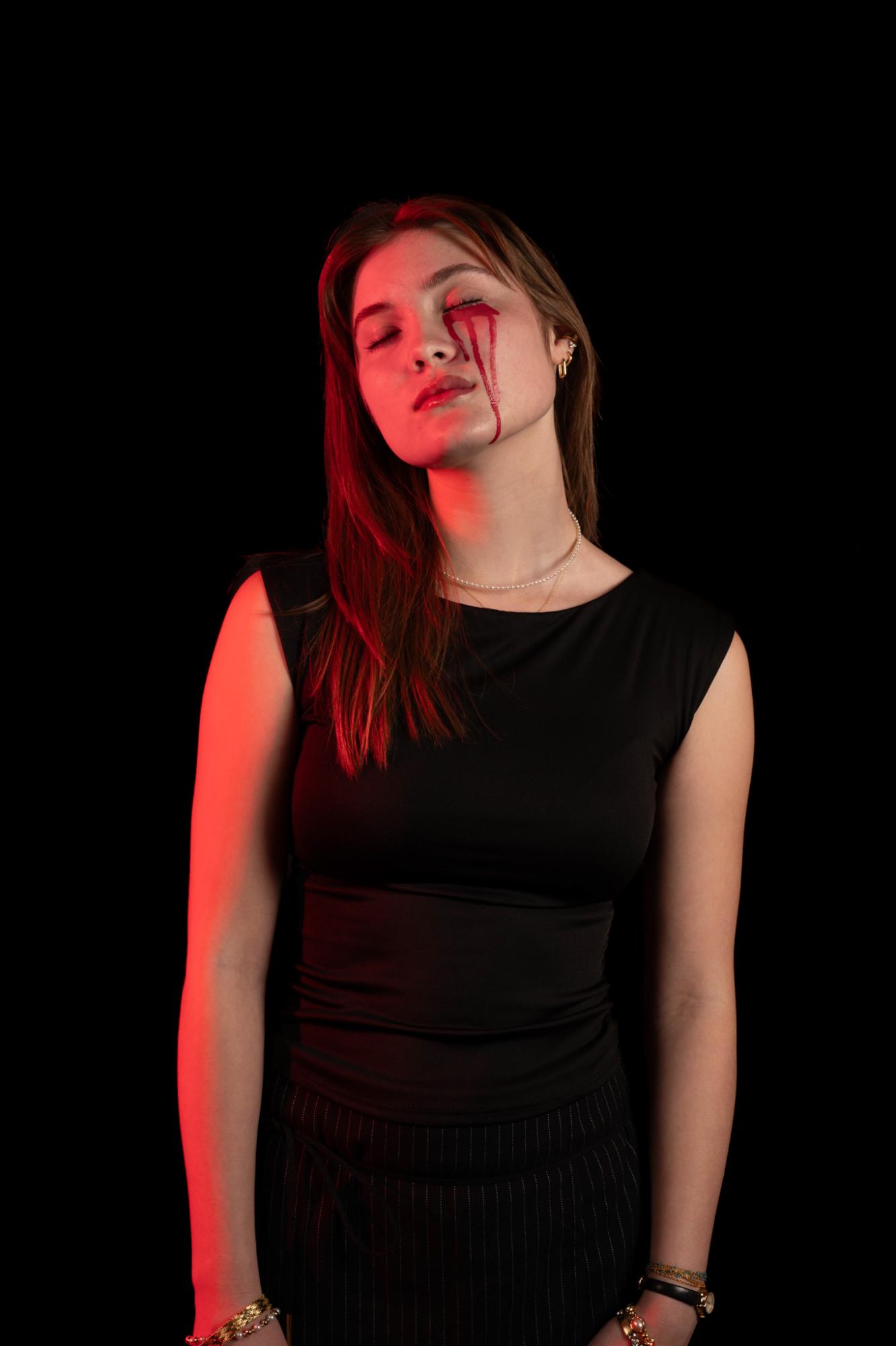
-
Photographer: Lillian Glaze Model: Lauren Cohen
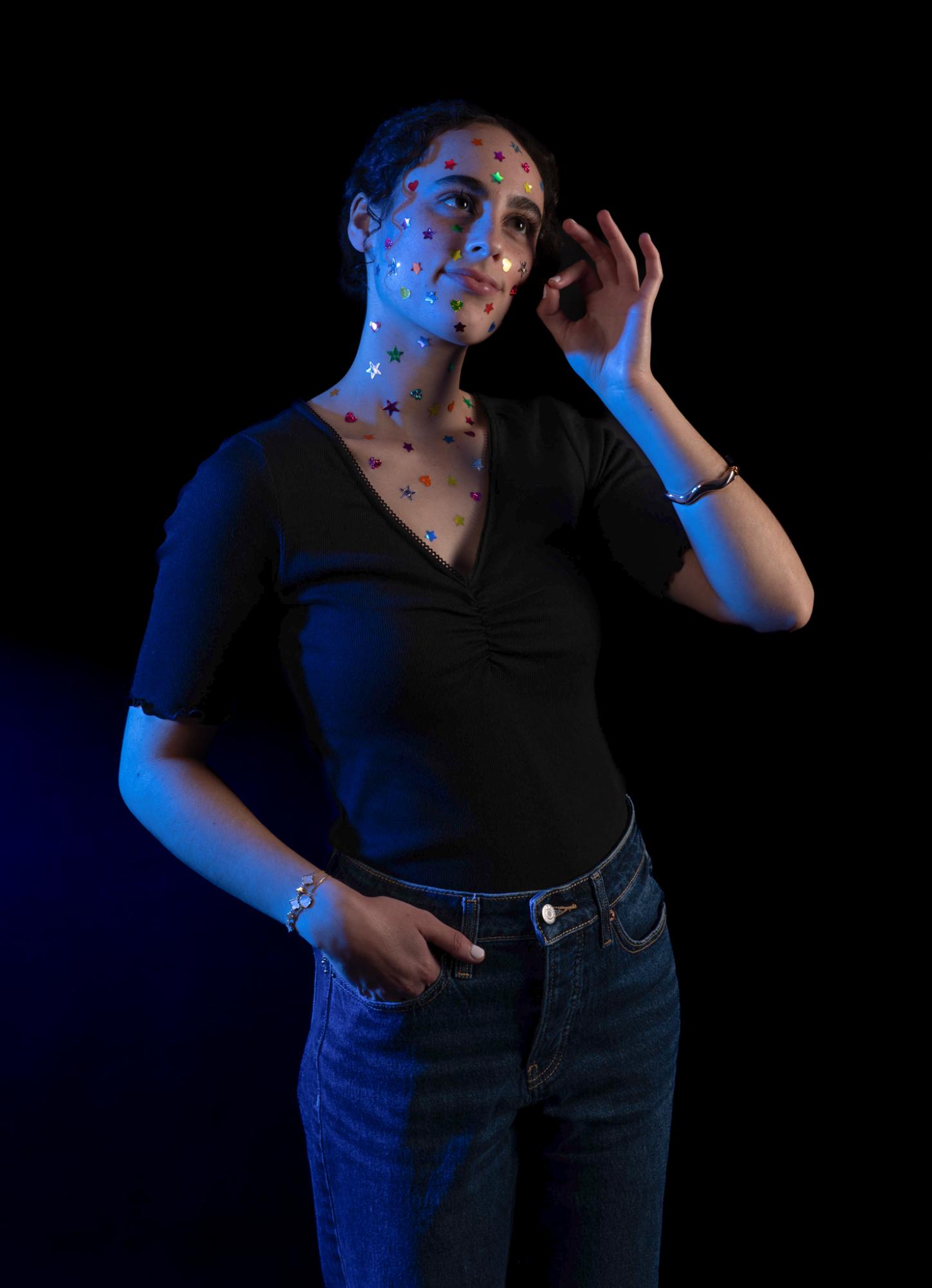

Olivia Montgomery is a writer. Contact her [email protected].